Warning: Attempt to read property "base" on null in /home/scubadivingearth/old.scubadivingearth.com/wp-content/plugins/pdb-image-expansion/pdbiex/Media_Library.php on line 49
Learn to Scuba Dive | Scuba Diving Earth

Scuba Diving Earth

Scuba Diving Blog & Forum

Learn to Scuba Dive

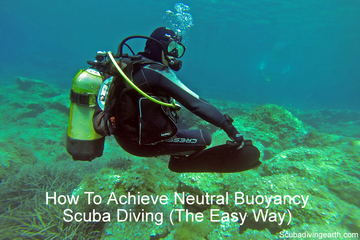
How To Achieve Neutral Buoyancy Scuba Diving (Made Easy)

Mastering neutral buoyancy is key to conserving air as a scuba diver and for your enjoyment of diving . When you conserve your air, you’ll increase your dive time. Therefore, as a beginner scuba diver, mastering the art of achieving neutral buoyancy should be your number one priority. Tips for good buoyancy control include; wearing the right amount of weight; adding air sparingly and consistently on your descent; breathing easily and relaxing on your dive.
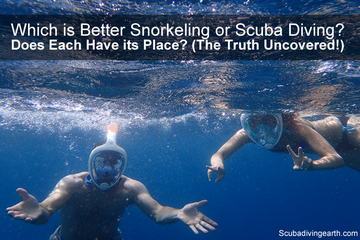
Which is Better Snorkeling or Scuba Diving? (Truth Uncovered)

Neither snorkeling nor scuba diving is better than the other. Each activity has its place and even when you learn to scuba dive, you’ll probably still love to snorkel too. One thing you’ll learn as you progress with scuba diving, is that the deeper you go the less colour you’ll see under the water. Whereas when you snorkel and as you are nearer the surface, all the wonderful colours remain. Diving is restricted by the time your air lasts, whereas snorkeling is only limited by the time you choose to stay in the water.

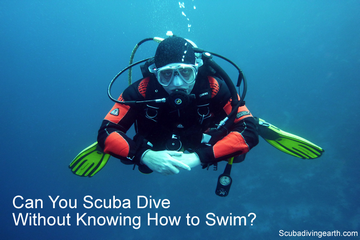
Can You Scuba Dive Without Knowing How to Swim (Is it Safe?)

It’s possible to scuba dive without knowing how to swim, but I wouldn’t recommend it. You don’t need to use your arms whilst diving underwater like you do when swimming. But knowing how to swim makes it safe and is about being able to get yourself out of trouble, if anything goes wrong. Scuba diving is classed as a ‘dangerous sport,’ so why add risk to your enjoyment of your hobby for no reason? Be safe, don’t be sorry.

How To Scuba Dive Without Certification (Just Don’t!)

SCUBA DIVING IS A DANGEROUS SPORT! Until you have gone through diver training, you’ll not be aware of the risks and dangers that exist. Even qualified divers have died scuba diving, and some with years of experience and thousands of dives under their belt. If you value your life and you’re considering scuba diving without certification; don’t. Just don’t do it. Especially if you have a family. The risks are huge to those that don’t know what they are doing. But all of the risks and dangers associated with scuba diving are minimised through proper training and experience.

How Deep Can A Human Dive Without Being Crushed?

Human survival limits underwater vary but are generally around 305 to 457 meters (1,000 to 1,500 feet), with an absolute maximum of approximately 915 meters (3,000 feet); however, the crush depth affecting the lungs occurs at around 396 meters (1,300 feet), and there’s a 99% chance of fatality at 335 meters (1,100 feet).

Worldwide Scuba Diving Liveaboard Offers for 25 April 2024

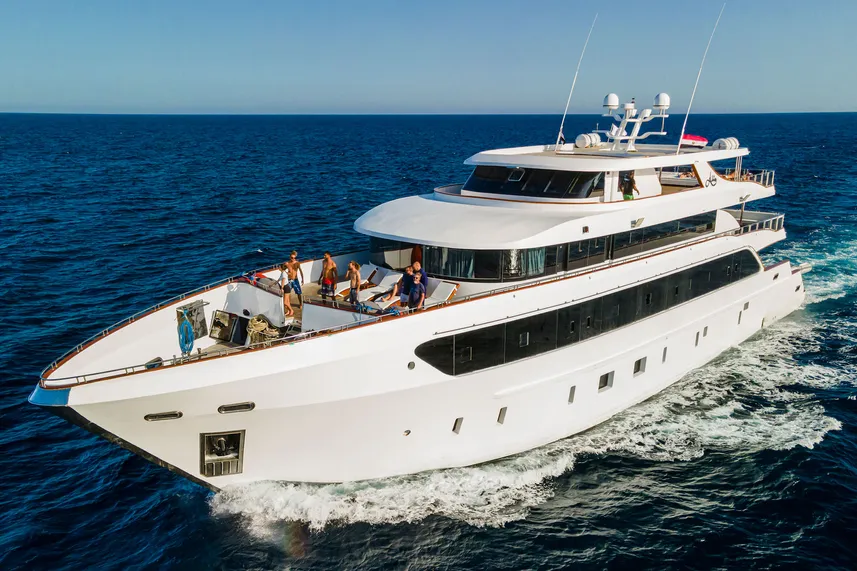
Discover the latest diving liveaboard discounts online. Easy and fast to book online with up to 30% off your favourite scuba diving liveaboard. Special liveaboard offers now available at fantastic 30% discounts. Indonesia’s vibrant, including the Red Sea, the Maldives,Indonesia and more.

Why Should You Rinse The Inside Of Your Buoyancy Control Device?

You should rinse the inside of your buoyancy control device to remove saltwater or chlorine depending on your most recent diving activity, to clean out any sediments and to prevent bacterial growth. Proper maintenance of your BCD by regularly rinsing the inside with water will help your BCD last.

How Can I Improve My Buoyancy Control?

The best way to improve buoyancy control is to use your buoyancy control device effectively, master your breathing and perfect your weights. Maintaining a better body position and fine tuning your finning technique also helps, but one of the best ways to improve buoyancy control is to dive more.

Scroll to top