Warning: Attempt to read property "base" on null in /home/scubadivingearth/old.scubadivingearth.com/wp-content/plugins/pdb-image-expansion/pdbiex/Media_Library.php on line 49
Scuba Diving Tips & Safety | Page 4 of 19 | Scuba Diving Earth

Scuba Diving Earth

Scuba Diving Blog & Forum

Scuba Diving Tips & Safety

Is Scuba Diving in Freshwater Different from Saltwater

Freshwater diving vs saltwater diving are different by increased buoyancy in saltwater, colder temperatures in freshwater, tides and currents in seas vs little to none in lakes, and generally better visibility in saltwater. Aquatic life and wreck diving are also more exciting in the sea vs lakes.
How Deep Can Scuba Divers Dive: Diver Depth Limits

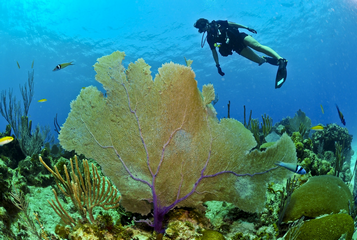
For the majority of recreational scuba divers the maximum depth you can dive is 40 metres (130 feet), with the exception of BSAC divers who can dive to 50 metres (164 feet). But how deep you can dive depends on which scuba diving organisation you train with and the level of certification you reach.

What Is The Benefit Of A Rebreather: 10 Advantages Of Rebreathers

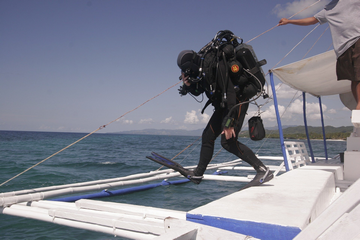
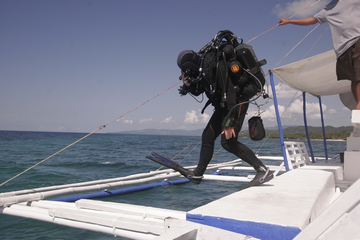
The main benefits of using a rebreather include no bubbles and reduced noise levels so you get closer to marine life, longer no-stop decompression dive times, reduced dehydration as the gas breathed is moist and improved safety with a reduced risk of decompression sickness.

Snorkelling vs Scuba Diving In Maldives: Which Is Better?

Snorkelling and scuba diving in The Maldives are both fantastic, as The Maldives is one of the best snorkelling and diving destinations in the world. For the best snorkelling experience choose a resort with a good house reef, whilst for diving it’s best to choose diving from a Maldives liveaboard.

Can Non Swimmers Do Scuba Diving In Maldives: Safe Sub Aqua

Non-swimmers cannot scuba dive in The Maldives, as it is a requirement to swim 200 metres (656 feet) to get certified as a scuba diver. You will probably be able to do a try dive in a swimming pool at your resort on “Discover Scuba”, but this will not allow you to dive on the reefs of The Maldives.

Are Bull Sharks Aggressive: Do They Attack People On Purpose?

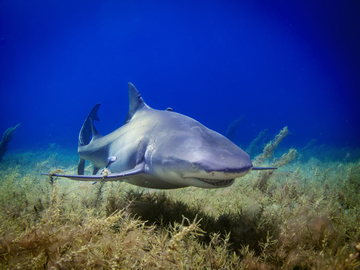
Bull sharks are extremely aggressive animals and are known to attack people, but not on purpose. Bull sharks are dangerous because they are aggressive creatures and because they migrate up rivers, as they can live in freshwater and salt water alike, which brings them into close contact with people.

Do Tiger Sharks Attack Humans: Are They Aggressive?

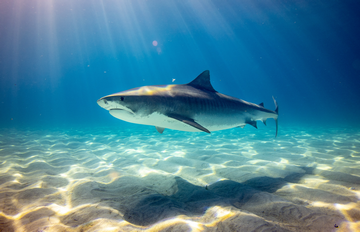
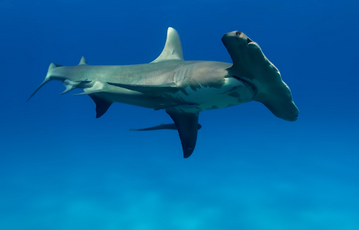
Hammerhead sharks can be aggressive to humans, even when non provoked, and have attacked over 130 people, which resulted in 34 unprovoked fatalities. Tiger sharks are also aggressive hunters in the wild and can often be found hunting in the shallows off beaches in Florida.

Red Tide Florida: The Affects on Swimmers, Divers & Snorkelers

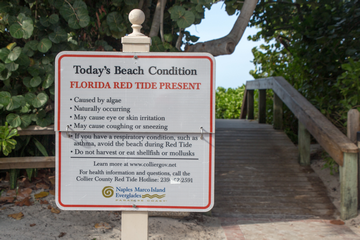
Red tides in Florida are caused by harmful algae blooms, which can kill fish, can be harmful to humans that swim, snorkel or scuba dive in the sea, or can make the shellfish and molluscs dangerous to eat. Red tides affect Florida in the months of August to November most years.

What Is A Buddy Line: Are Buddy Lines A Good Idea?

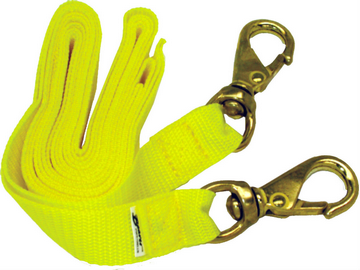
A buddy line in scuba diving is a strap that physically tethers two scuba divers together underwater to avoid separation in low visibility conditions. A buddy line is even more important and is used more often on low visibility drift dives, as there’s more risk of being split apart in a current.

Scroll to top