Liveaboard Diving Europe
Liveaboard diving in Europe is a great way to explore the underwater and includes destinations like The Azores, Malta, Croatia, Turkey, Scotland and the Red Sea.

Scuba Diving Blog & Forum
Liveaboard diving in Europe is a great way to explore the underwater and includes destinations like The Azores, Malta, Croatia, Turkey, Scotland and the Red Sea.
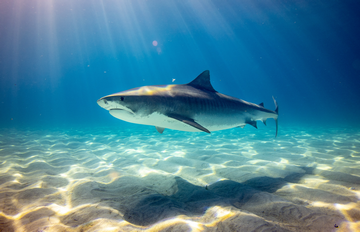
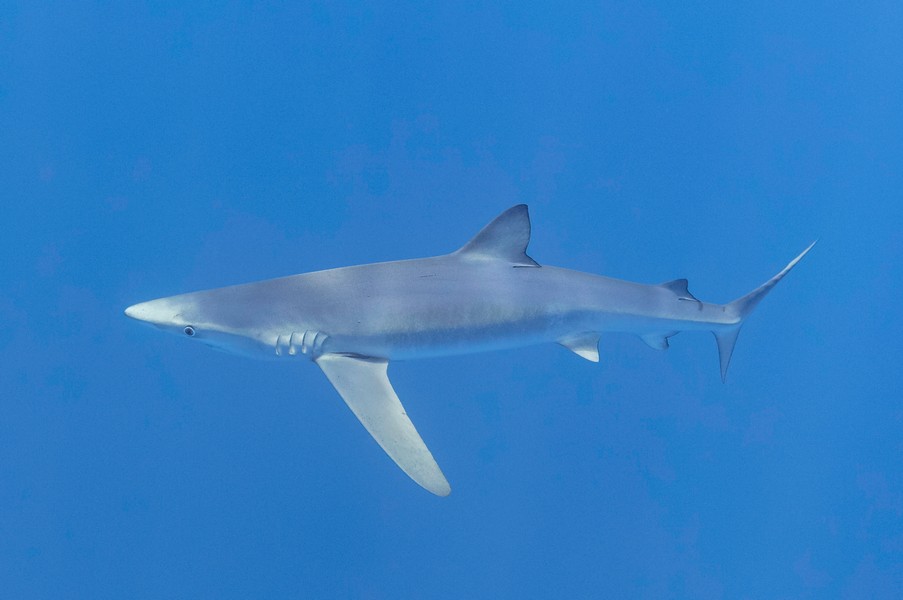
There are around 40 species of shark at Folly Beach, South Carolina, but the most common sharks found off this coast of the USA include spinner sharks, sand tiger sharks, sandbar sharks, bull sharks, blacktip sharks, tiger sharks and great white sharks.
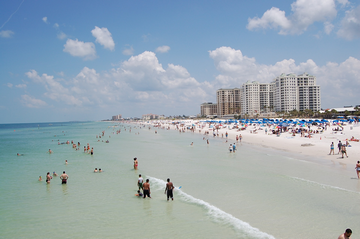
Clearwater Beach Florida isn’t that special for snorkeling, as it is mostly sandy bottom, but the waters are warm and shallow with mostly good visibility so you can see the seabed. You will see reef fish and hermit crabs and the further you swim from the shoreline the more interesting it becomes.
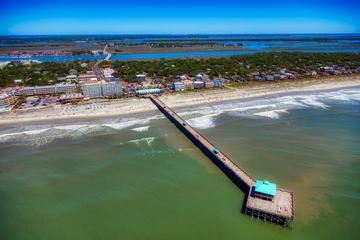
Folly Beach isn’t good for snorkeling, as the visibility is bad due to a murky thermocline which is caused by pluff mud, the agitation of water caused by wave action and large tidal swings. What adds to the murky water is the many rivers that feed into the sea, which makes snorkeling disappointing.
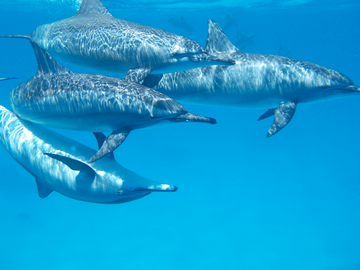
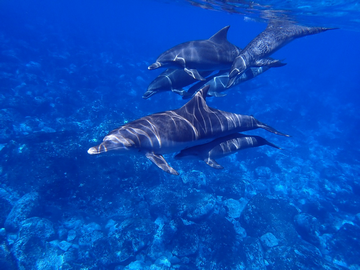
Sataya Reef (Dolphin Reef) is best known for snorkelling and diving with spinner dolphins. Located in the Red Sea about 30km (19 miles) off the Egyptian coast near Hamata, which is about an 75 minute drive south from Marsa Alam, which can be experience by day boats or by Red Sea Liveaboard.
St. John’s Island (Jazirat Zabargad) dive site offers year-round diving and is considered one of the best dive sites in the Red Sea. Only available to dive from a liveaboard with the chance to see vibrant reefs, tunnels, occasional hammerheads, oceanic whitetips, dolphins, manta rays and turtles.
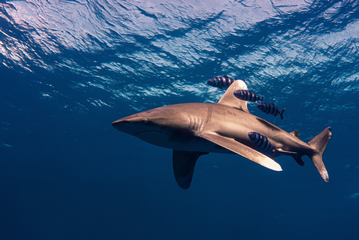
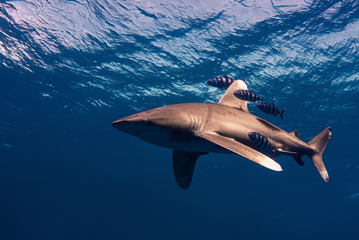
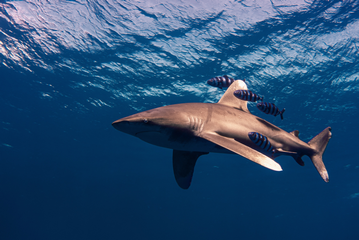
An oceanic whitetip shark (Carcharhinus longimanus) attacked a female diver and bit her arm at Elphinstone Reef where there have been a number of close encounters with longimanus sharks. The oceanic whitetips are very curious and look for openings or weaknesses and will bite if given a chance.
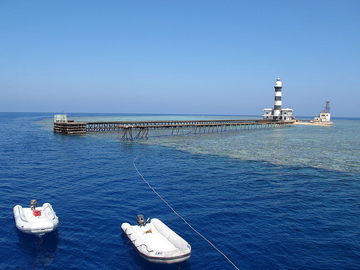
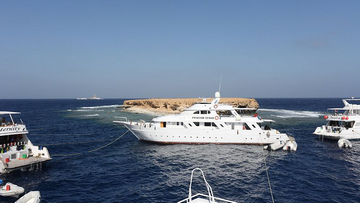
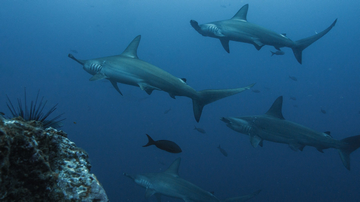
The Red Sea Daedalus Reef dive site offers all year round diving with the chance to see schooling hammerheads and the inquisitive oceanic whitetip sharks. The Daedalus Reef dive site is only reachable by Red Sea dive liveaboard, as it’s too far offshore for any day boats to reach.
The Red Sea Brothers shark attack by an oceanic whitetip shark on a scuba diver is very rare and could’ve been prevented. The Brothers shark attack could have been avoided if the diver was vertical in the water, kept his eyes on the shark and joined a group of divers to be intimidating to the shark.
The Brother Islands scuba diving has to be one of the best dive sites in the Red Sea and should be at the top of your list of dives to experience sharks and wrecks all in one. The Brother Islands Red Sea can only be reached by diving liveaboard, as it’s too far offshore for any day boats to reach.
To experience the best scuba diving in the Red Sea, Elphinstone Reef should be top of the list, which is famous for exciting shark filled drift dives. The best way to experience this top Red Sea dive site is by dive liveaboard, but you can dive Elphinstone Reef on day trips when based in Marsa Alam.
Most of the scuba diving in the Cocos Islands will involve scuba diving with sharks, mostly with hammerheads and whitetip reef sharks. The only way to experience the scuba diving in the Cocos Islands is by dive liveaboard.