San Francisco Maru Dive of Truk Lagoon (Chuuk Lagoon Wrecks)
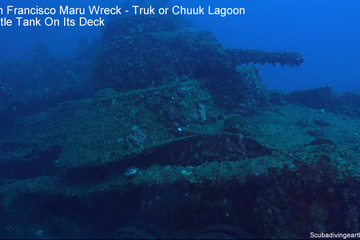
San Francisco Maru dive of Truk Lagoon is to 42-64 metres (140-210 feet) deep. The San Francisco Maru dive is one of the most exciting dives in Chuuk Lagoon

Scuba Diving Blog & Forum
San Francisco Maru dive of Truk Lagoon is to 42-64 metres (140-210 feet) deep. The San Francisco Maru dive is one of the most exciting dives in Chuuk Lagoon
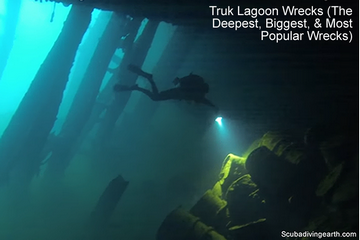
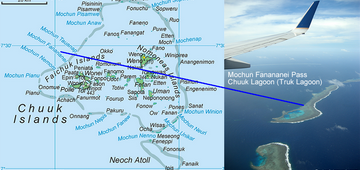
Truck Lagoon Wrecks or best known now as Chuuk Lagoon wrecks including the deepest, the biggest, and the most popular wrecks a of Chuuk Lagoon to scuba dive
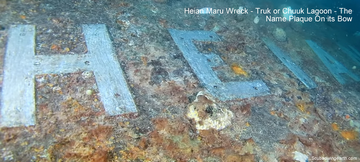
Heian Maru wreck of Truk Lagoon is at a depth of 15-34 metres (50-110 feet). She is the largest wreck in the lagoon at Chuck with a large deck gun on the stern.
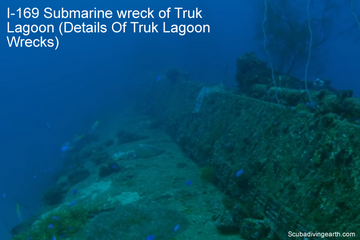
I-169 Submarine wreck of Truk Lagoon is at a depth of 37-43 metres (120-140 feet). She is the only submarine of the Truk Lagoon wrecks.
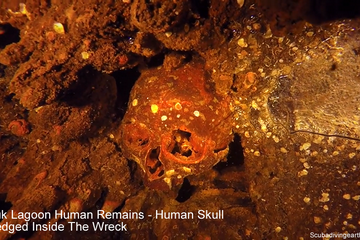
Truk Lagoon human remains include human skulls and bones. The human bones include leg bones and rib bones. The human lives lost at Truk Lagoon during Operation Hailstone in 1944 was 4,500. Three of the wrecks where human remains are still to be found include Oike Wreck, Shinkoko Maru wreck and Yamagiri.
What happened at Truk Lagoon makes it a wreck diver’s paradise. Truk Lagoon wrecks make for a chance in a life-time dive trip. Truk Lagoon diving is out of this world. But how did the wrecks get there and what happened all those years ago?
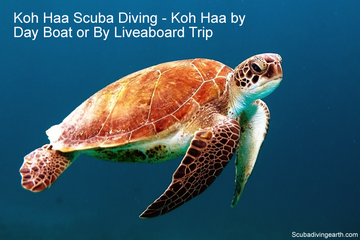
Koh Haa scuba diving offers great diving for beginners through to advanced divers. Koh Haa is best visited by liveaboard as part of a bigger trip, but can be dived or snorkeled from a day-trip boat too. Typical to see sea turtles, stingrays, plenty of moray eels and octopus and an abundance of reef fish and macro sea life.
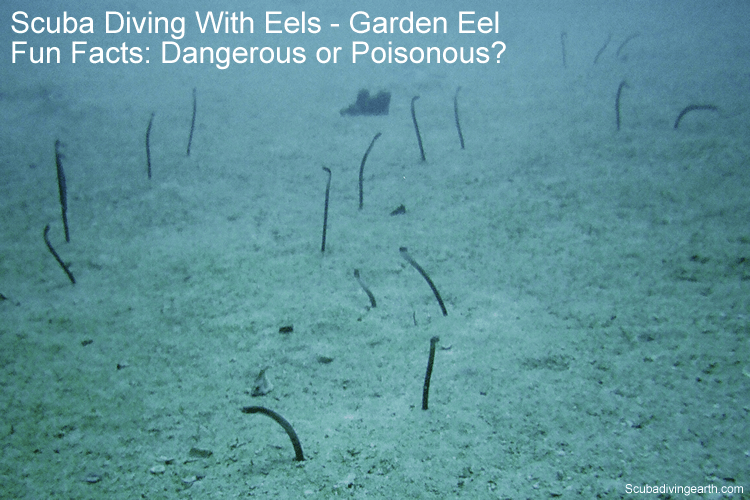
Garden eel fun facts include: they are not poisonous and they are not dangerous. Garden eels grow up to 40 centimetres (16 inches) in length. They live in burrows in colonies on sandy bottoms in tropical waters of the Pacific, Indian and Atlantic Oceans. They eat floating zooplankton and are pelagic spawners.
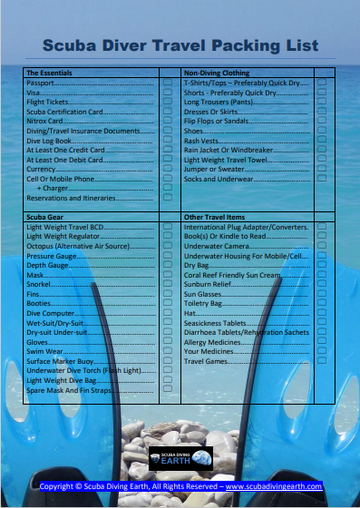
TRAVEL ESSENTIALS: Passport, Visa, Flight Tickets, Scuba Certification Card, Travel/Diving Insurance, Currency, Debit and Credit Card, Mobile or Cell Phone. If you have the items on this first short list, and should you forget anything else, you can always buy it or rent it when you get there!
SCUBA EQUIPMENT: Light Weight Travel BCD, Regulator, Octopus (Alternative Air Source), Pressure Gauge, Depth Gauge, Mask, Fins, Snorkel, Booties, Dive Computer, Wetsuit or Dry Suit, Gloves, Swimwear Or Dry Suit Under-suit, Surface Marker Buoy, Underwater Torch or Flash Light, Light Weight Dive Bag, Spare Mask and Fins Straps.
CLOTHING: Clothing of your choice and other travel items. These are all explained in this article below.
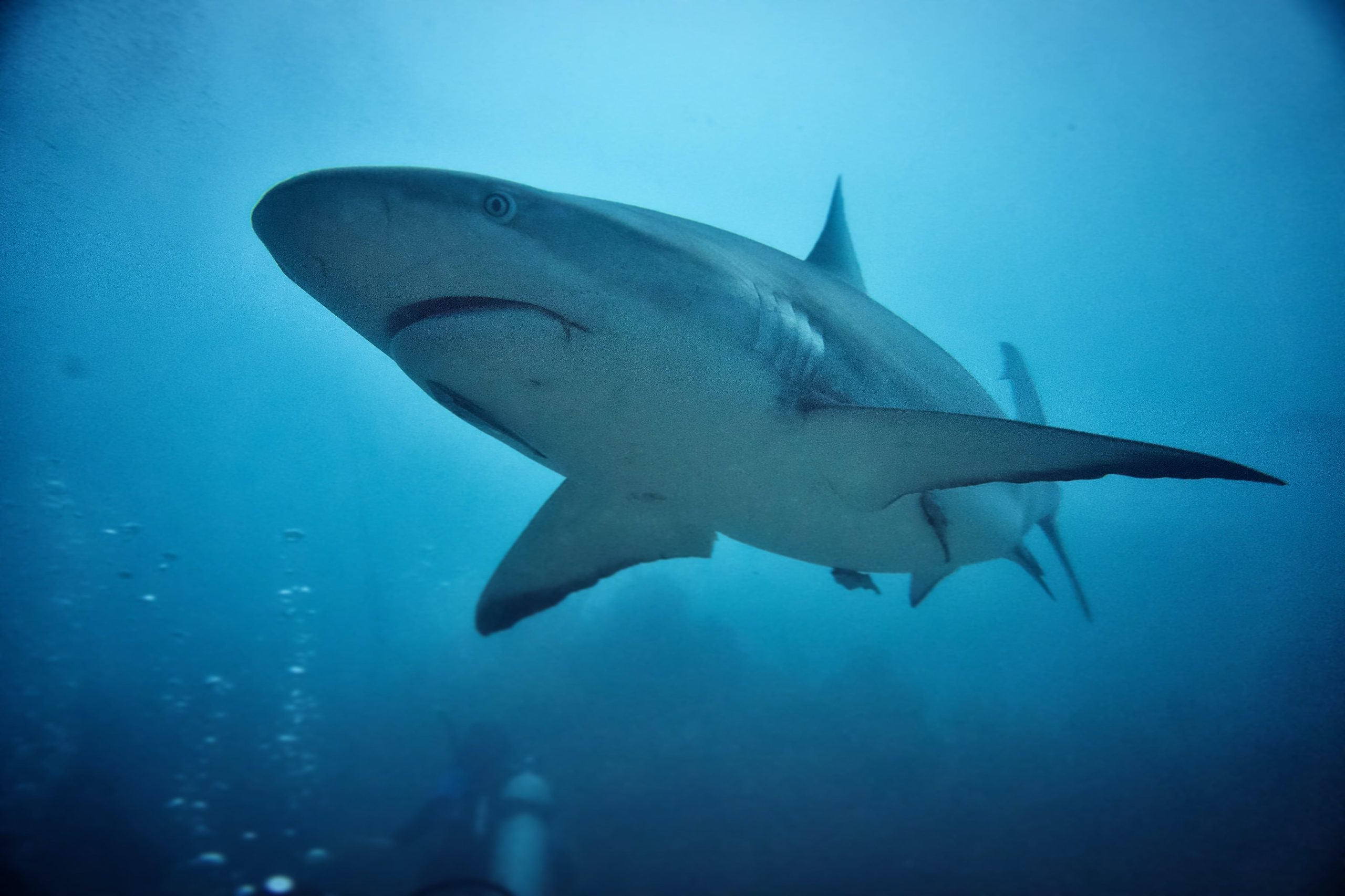
Top sharks of the Red Sea include reef sharks, hammerhead sharks and oceanic whitetip sharks, with lucky sightings of tiger sharks, whale sharks, leopard sharks and thresher sharks when you dive the right location at the right time of year. The Red Sea is a great place to dive with sharks and cheap.
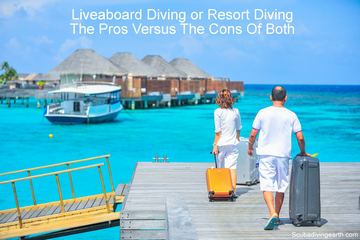
Whether you choose liveaboard diving or resort diving depends on a number of factors. You may choose to dive from a resort so you can go away with your non-diving family. Whereas you may choose a liveaboard because it’s the only way to dive the location you choose. Or it may be your experience is lacking to go on a particular liveaboard trip. Whatever the reason, this article looks at liveaboard diving vs resort diving to help you make that decision.
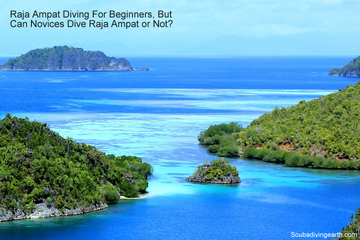
Not all the dive sites at Raja Ampat are suitable for scuba diver beginners. This is due to the strong currents in the region. To enjoy the bio diversity of Indonesia’s Raja Ampat, you need to be a more advanced scuba diver with plenty of diving experience. You should be adept at drift diving before you go.