Scuba Dive Truk Lagoon Rio De Janeiro Maru Wreck (Chuuk Lagoon Wrecks)
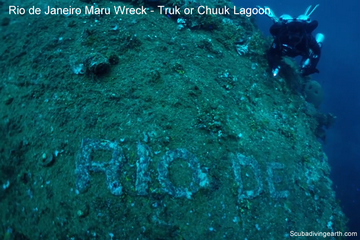
Truk Lagoon Wreck Rio De Janeiro Maru is 10-33 metres (35-110 feet) deep. The Rio De Janeiro Maru is an easy dive and can be done by recreational divers

Scuba Diving Blog & Forum
Truk Lagoon Wreck Rio De Janeiro Maru is 10-33 metres (35-110 feet) deep. The Rio De Janeiro Maru is an easy dive and can be done by recreational divers
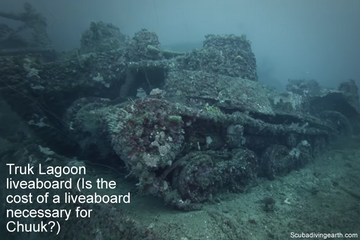
Truk Lagoon diving liveaboard – is it necessary to dive Chuuk Lagoon from a liveaboard or is diving from a resort good enough to dive this Mecca for wreck divers?
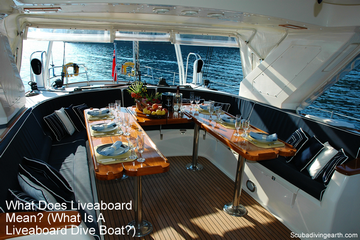
The answer to the question ‘What Does Liveaboard Mean?’ Essentially the meaning of liveaboard is a boat that’s been designed for people to live aboard it. The answer to the question ‘What is a liveaboard boat?’ A liveaboard boat is a boat used by recreational scuba divers for expeditions or diving holidays.
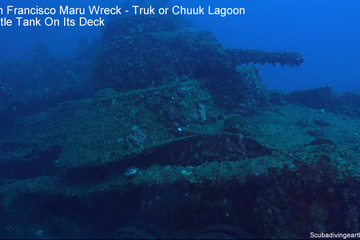
San Francisco Maru dive of Truk Lagoon is to 42-64 metres (140-210 feet) deep. The San Francisco Maru dive is one of the most exciting dives in Chuuk Lagoon
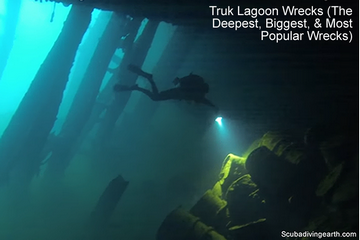
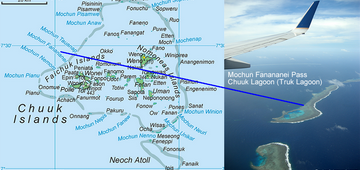
Truck Lagoon Wrecks or best known now as Chuuk Lagoon wrecks including the deepest, the biggest, and the most popular wrecks a of Chuuk Lagoon to scuba dive
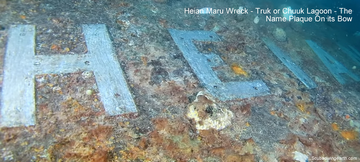
Heian Maru wreck of Truk Lagoon is at a depth of 15-34 metres (50-110 feet). She is the largest wreck in the lagoon at Chuck with a large deck gun on the stern.
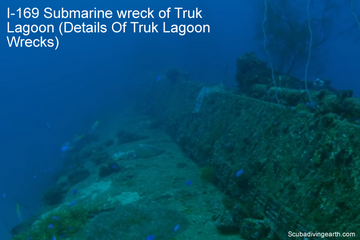
I-169 Submarine wreck of Truk Lagoon is at a depth of 37-43 metres (120-140 feet). She is the only submarine of the Truk Lagoon wrecks.
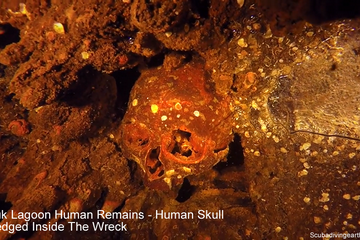
Truk Lagoon human remains include human skulls and bones. The human bones include leg bones and rib bones. The human lives lost at Truk Lagoon during Operation Hailstone in 1944 was 4,500. Three of the wrecks where human remains are still to be found include Oike Wreck, Shinkoko Maru wreck and Yamagiri.
What happened at Truk Lagoon makes it a wreck diver’s paradise. Truk Lagoon wrecks make for a chance in a life-time dive trip. Truk Lagoon diving is out of this world. But how did the wrecks get there and what happened all those years ago?
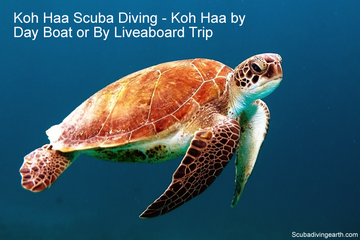
Koh Haa scuba diving offers great diving for beginners through to advanced divers. Koh Haa is best visited by liveaboard as part of a bigger trip, but can be dived or snorkeled from a day-trip boat too. Typical to see sea turtles, stingrays, plenty of moray eels and octopus and an abundance of reef fish and macro sea life.
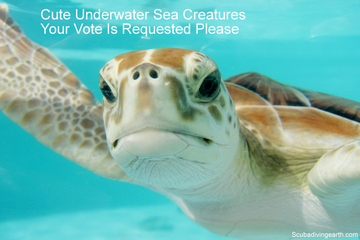
Cute underwater sea creatures include sea turtles, manatees, clown fish (Nemo), seahorses, dolphins, seals, sea lions and sea otters. But perhaps eels and even maybe sharks can be cute on occasion. See what you think and please vote by commenting below.
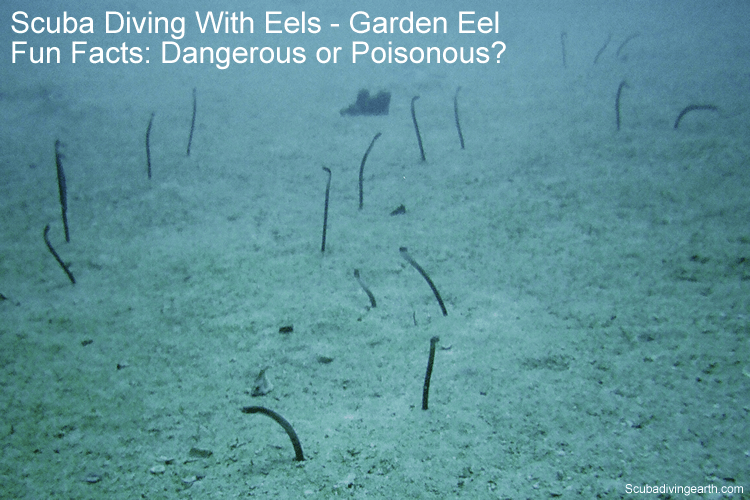
Garden eel fun facts include: they are not poisonous and they are not dangerous. Garden eels grow up to 40 centimetres (16 inches) in length. They live in burrows in colonies on sandy bottoms in tropical waters of the Pacific, Indian and Atlantic Oceans. They eat floating zooplankton and are pelagic spawners.