Warning: Attempt to read property "base" on null in /home/scubadivingearth/old.scubadivingearth.com/wp-content/plugins/pdb-image-expansion/pdbiex/Media_Library.php on line 49
Scuba Diving Earth | Page 36 of 50 | Scuba Diving Blog & Forum

Scuba Diving Earth

Scuba Diving Blog & Forum

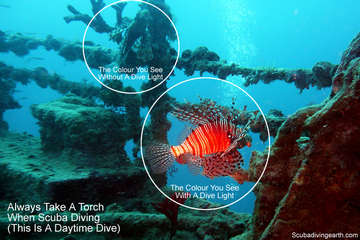
Why Use a Diving Torch Scuba Diving (It’s Not Just For Night Diving)

Underwater dive torches form an important part of your scuba diving equipment. A dive torch isn’t only for night diving or cage dives either. But rather it’s recommended to take an underwater torch on all dives. As you go deeper beneath the water’s surface the colours around you will disappear. Having a torch will help you to see the real colours and to illuminate your way in the dark.

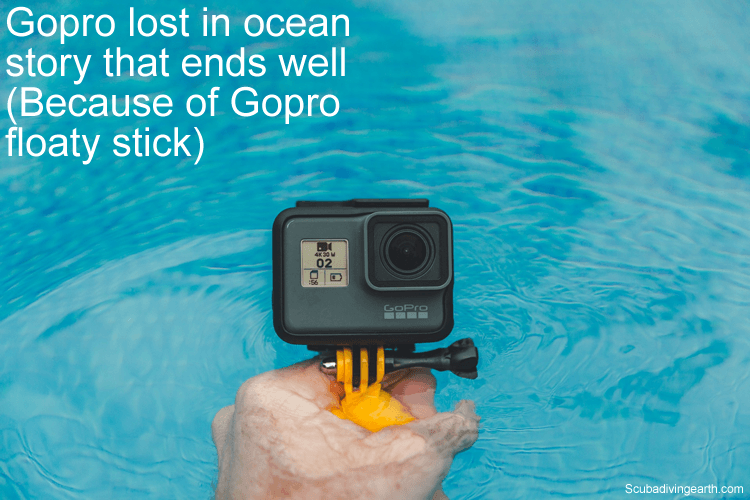
Gopro Lost In Ocean Scuba Diving Story That Ends Well (Because of Gopro Floaty Sick)

Story about a Gopro lost in the ocean but with a happy ending when it’s found. But it was the Gopro floaty stick that saved the day! “It had unhinged it self and floated to the surface with The floaty stick! 8 minutes it videoed itself being tumbled about in the waves before one of the crew on the boat saw it and retrieved it.” So the moral of this scuba diving story is to only use a Gopro when scuba diving with a floaty stick!

Maldives Liveaboard With Kids (Family Scuba Diving Holidays)

Maldives liveaboard with kids is not only about the type of scuba diving available on the trip, but it’s mostly about making sure the dive holiday is suitable for a family with children. This includes considerations like whether your kids can dive at all, but if they can dive what level of experience or certification have they got. But also, what facilities are there on the liveaboard boat to keep your kids occupied so they aren’t bored.

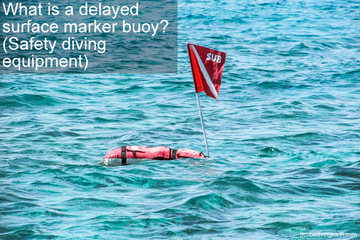
What Is a Delayed Surface Marker Buoy? (Safety Diving Equipment)

A delayed surface marker buoy (DSMB), is similar to a surface marker buoy except that it’s deployed at the end of your dive vs used for the duration of the dive. A DSMB, which is also known as a decompression buoy or a deco buoy, are often used for safe diving ascents from depth on decompression stop dives. They are also used to indicate a diver’s position on ascent. This helps the dive boat skipper spot divers on the surface, especially in seas with a big swell.

The Best In Raja Ampat Liveaboard Luxury (9 Luxury Dive Liveaboards)

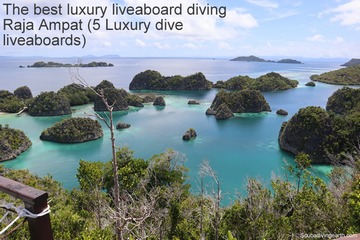
There’s no doubting that a dive trip to Indonesia’s Raja Ampat is top of many scuba diver’s bucket list. So if money is no object and you want to dive in luxury, choosing the best liveaboards is key. Indonesia’s Raja Ampat is a photographers heaven, with some of the best marine bio-diversity on the planet and has five luxury liveaboard boats to choose from.

Can An 8 Year Old Scuba Dive? (Scuba Diving Age Restrictions)

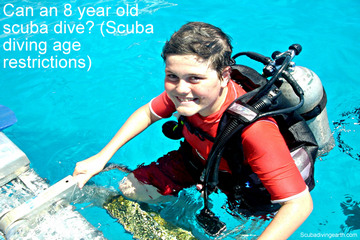
Kids getting scuba certified or in this case for 8 year old children to learn to scuba dive is partly down to the diving organisation. But is mostly down to the parent. The dive agencies that allow 8 year old children to learn scuba limit their depth until they are older. But the scuba diving skills these young children learn counts towards their full diver certification. This includes towards their Open Water Diver course with PADI.

Liveaboard Maldives 3 Days All Inclusive (Maldives Liveaboard Diving Trips)

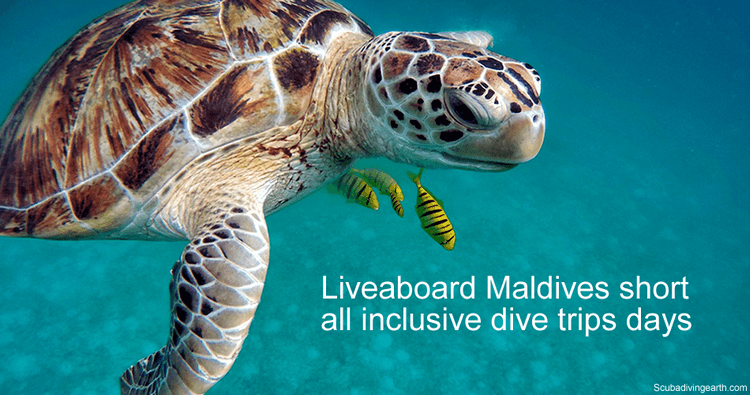
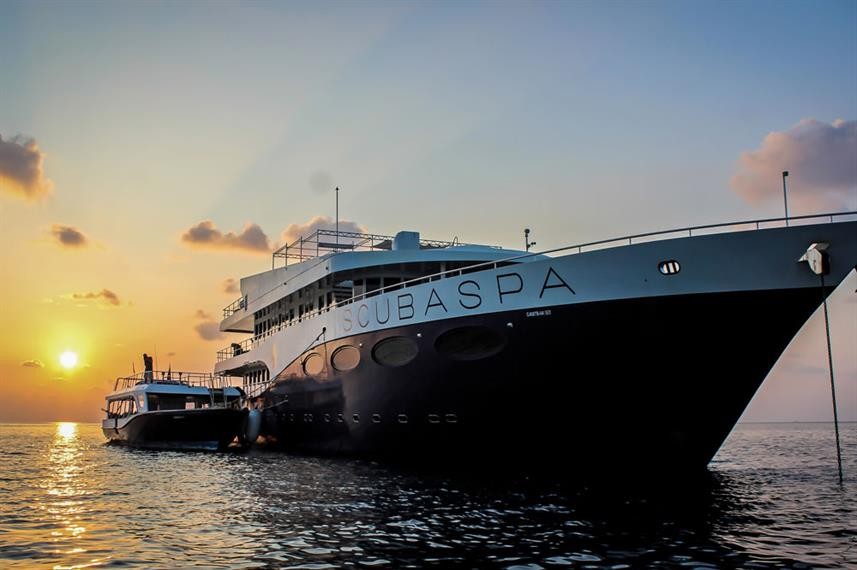
There are no Maldives liveaboards for 3 days all inclusive, but you could get a short-stay liveaboard for 5 days, 4 nights instead. These two 5 day Maldives liveaboards include the ‘Exceptional’ rated Scubaspa Yang and the ‘Superb’ rated Scubaspa Ying liveaboard.

What To Pack For a Liveaboard Dive Trip (Liveaboard Essentials)

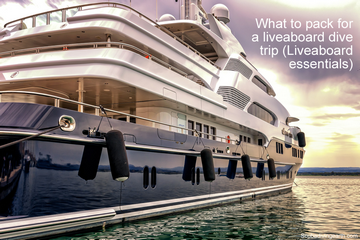
What to pack for a liveaboard dive trip includes your essential travel documents like passport and flight ticket details. Travel money and your diving certification details are also essential, plus the correct exposure suit. You also need the appropriate swimsuit for under your wetsuit too. Remember your toiletries and comfortable clothes to wear in-between dives and in the evenings. Just in case, remember to buy some sea-sickness medication too, especially if you’ve never been on a liveaboard trip before.

How Many Dives Do You Need For A Liveaboard?

The number of dives you need for a liveaboard range from no minimum to 100 logged dives, which is impacted by the type of diving involved. If the type of diving is deeper diving or involves diving in currents, more experience is needed and more logged dives are required to book the liveaboard trip.

Can You Scuba Dive By Yourself? (Is Diving Alone Safe or Illegal?)

Whilst it’s possible to dive by yourself, it’s not recommended safe diving practice. It’s also not illegal to dive alone and there’s no ‘scuba police’ to stop you from diving by yourself. When you get your scuba certification, you’ll learn that one of the main scuba safety rules is to never dive alone. You will learn about the dangers of diving alone and that all diver training is taught on the buddy system.

What Happens If You Don’t Decompress When Scuba Diving?

What happens if you don’t decompress when scuba diving is you could end up with decompression sickness or the bends. Most recreational diving limits scuba divers to diving depths of 40 metres (131 feet) and ‘No decompression stop diving’. This is to prevent your body from taking on so much nitrogen that it can’t off-gas enough during a direct ascent to the surface. Advanced divers dive beyond the no decompression stop dive limits. This means on their ascent from a dive they are required to stop to allow additional time to decompress. Each decompression stop allows time for gas to move out of the tissues and back to the lungs.

Scroll to top