Warning: Attempt to read property "base" on null in /home/scubadivingearth/old.scubadivingearth.com/wp-content/plugins/pdb-image-expansion/pdbiex/Media_Library.php on line 49
Scuba Diving Earth | Page 47 of 50 | Scuba Diving Blog & Forum

Scuba Diving Earth

Scuba Diving Blog & Forum

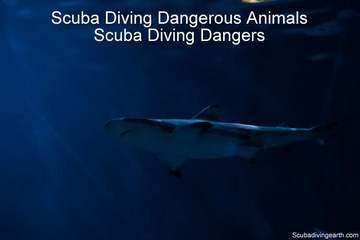
Scuba Diving Dangerous Animals (Scuba Diving Dangers)

Scuba diving with potentially dangerous animals is about respecting the animals and not touching them. But there’s more danger in scuba diving from other things that are not related to dangerous animals. These include scuba diving with health issues, diver errors and equipment failures. But animals that are considered a danger to humans underwater include sharks, barracuda, blue-ringed octopus, scorpion fish, stone fish, lionfish, sea snakes, fire coral, stingrays, jellyfish, flower urchins and cone snails. But in reality, none of these pose a serious threat to scuba divers if treated with adequate respect and caution.
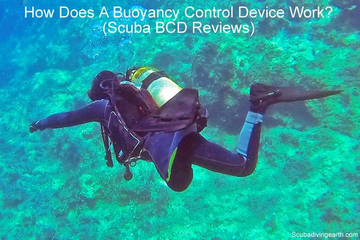
How Does A Buoyancy Control Device Work? (Don’t Dive Without Knowing)

How does a buoyancy control device work is by using air. Your buoyancy control device works using an air bladder. The more air that is added to this bladder, the more buoyant you will be. Conversely, as the air is released from the air bladder, the less buoyant you will be. Air is added via an air-inflation valve. Air is dumped via air-deflation valves.

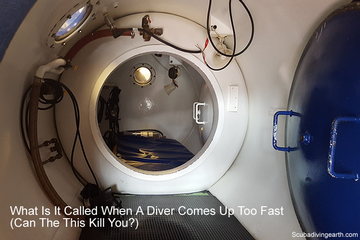
What Is It Called When A Diver Comes Up Too Fast (+17 Tips How To Avoid DCS)

When a scuba diver comes up too fast and has either mild or severe symptoms as a result, this is called decompression sickness. The other name for this is ‘The Bends.’ In the most severe cases of a scuba diver coming up too fast from a dive and getting the bends, the diver can die. The symptoms of decompression sickness vary, but are caused from the formation of nitrogen bubbles inside the body due to the reduced pressure on ascent.

All Inclusive Holidays With Free Scuba Diving (Scuba Diving Package Holidays)

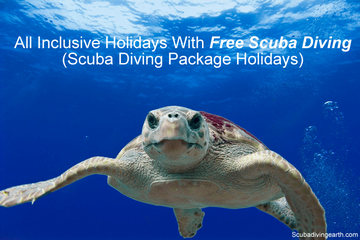
All inclusive holidays with free scuba diving. Resort holidays in the Caribbean where you can dive as much as you like every day and it’s all included in the price of the holiday. Book an all-inclusive holiday with Sandals and enjoy a relaxing vacation in the sun with a difference. Just add a scuba diving certification and you’re good to go. But even if you’re not a certified scuba diver, you can learn to dive with an experienced PADI diving instructor. But you will need to pay additional course fees. There’s even a 3-hour Discover Scuba Diving Program, which also carries a nominal fee.

Mergui Archipelago Diving Liveaboard (The Best Burma Dives)

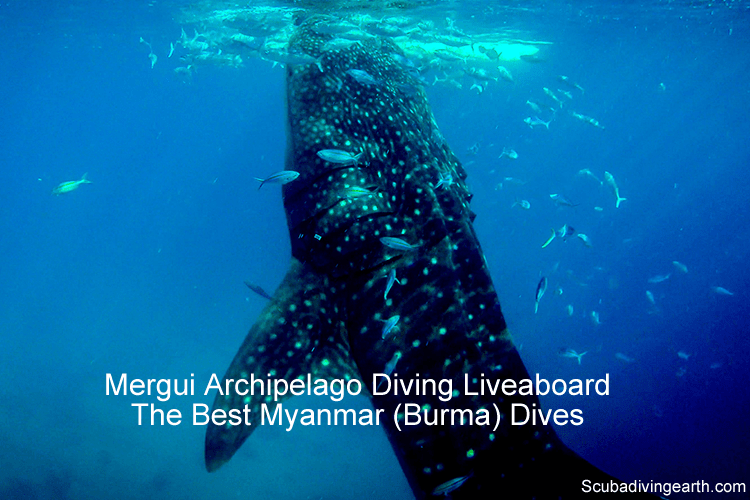
The Mergui Archipelago remains one of the planet’s most unspoiled destinations. The scuba diving at the Mergui Archipelago is by liveaboard safari boat only. These islands are still largely undiscovered by tourists, so if you want to scuba dive in a remove and still largely uncharted waters, Myeik (or Mergui) Archipelago is the place to go.

Why Am I So Hungry After Scuba Diving? (What’s Going On?)

The question of ‘why am I so hungry after scuba diving,’ is down to two things. The first of which is probably down to dehydration. The brain can get confused and feel hungry when it’s mildly dehydrate. When in fact it needs more water instead. The second reason is that although scuba diving is a low impact sport, you still burn around 600 calories per hour. This is due to the extra heat loss underwater, due to water conducting heat 25 times more efficiently than air.

What Are Common Depths For Beginner Scuba Divers (How Deep Is Deep?)

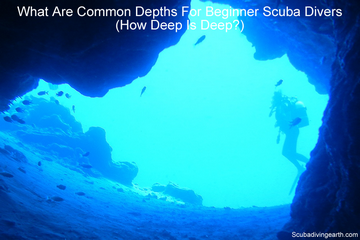
The common depths of beginner scuba divers is somewhere between 18-20 metres (59-66 feet). This limit is set due to the pressure of water at depth and the implications deep water has on scuba divers. Why this is important is due to oxygen toxicity; Boyle’s Law and how the changing pressures at depth impacts gas volumes; decompression sickness or the bends; and nitrogen narcosis. At the next stage of learning to scuba dive, the most common depths are between 18 and 35 metres (59-115 feet).

Top 10 Dive Sites In The World By Jacques Cousteau

Top ten dive sites in the world by Jacques Cousteau include the following bucket list dive sites: The Great Blue Hole, Belize; Cozumel, Mexico;  Sipadan, Borneo of Malaysia; Poor Knights Islands, New Zealand; Heron Island, Australia; Aliwal Shoal, South Africa; Richelieu Rock, Thailand; Sha’b Rumi in the Read Sea, Sudan; Vancouver Island, Canada; and The Cocos Islands, Costa Rica.

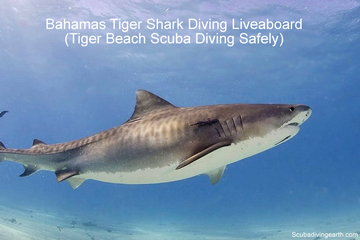
Bahamas Tiger Shark Diving Liveaboard (Tiger Beach Scuba Diving Safety)

If you’re looking to dive with tigers sharks and your looking to dive in the Bahamas, plus, if you’re looking to scuba dive from a liveaboard boat, then a Bahamas tiger shark diving liveaboard is the perfect solution for you. Choosing the best liveaboard is important and the Bahamas Aggressor is certainly one of the best liveaboard scuba diving boats in the Bahamas.

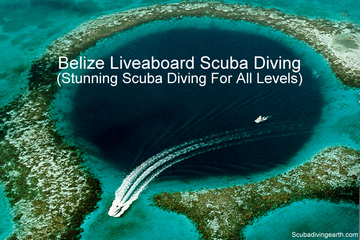
Belize Liveaboard Scuba Diving (Stunning Scuba Diving For All Levels)

Belize liveaboard scuba diving is the best way to dive the sea in this region. As shore diving is almost unheard of due to the barrier reef that fringes the coastline. Experience The Great Blue Hole (No. 1 of the 10 Most Amazing Places on Earth according to the Discovery Channel). See sharks, which include whale sharks, hammerheads, reef sharks, lemon sharks and bull sharks. Have the chance of meeting a manatee and dive in crystal clear warm Caribbean waters.

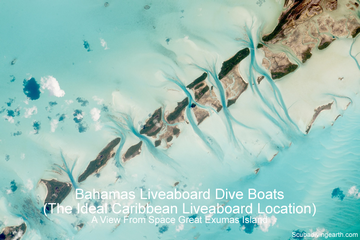
The Best Bahamas Liveaboard Dive Boats (Caribbean Liveaboard Cruises)

Bahamas liveaboard dive boats are the best way to scuba dive the Bahamas. One of the best places in the world to experience sharks, including tiger sharks and bull sharks. Also known for ship wrecks, with healthy coral reefs and abundant sea life, stunning sea walls and one of the top blue holes to dive in the world. With year-round warm seas and mild air temperatures, the Bahamas makes for a great diving destination.

Scroll to top