What Are The Disadvantages Of Nitrox Diving? (7 Disadvantages of Nitrox)
The disadvantages of Nitrox diving include depth limits due to higher concentrations of oxygen and the cost of tank fills and specialist gear required to dive with Nitrox.

Scuba Diving Blog & Forum
The disadvantages of Nitrox diving include depth limits due to higher concentrations of oxygen and the cost of tank fills and specialist gear required to dive with Nitrox.
How you deal with a down current is to swim at a 45° upward angle away from the wall whilst adding air to your BCD as you swim. If this doesn’t work grab a stationary object to stabilise yourself. Use other objects to crawl to the surface or wait until you’re ready for another attempt at a swim to the surface.
For Maldives liveaboard tipping budget for 10% of the cost of the dive trip. This will cost between $150 to $300 for a week depending on the liveaboard. How much you tip a Maldives liveaboard crew is your choice and is not expected. But it is customary if you’ve had great service both on the boat and underwater.
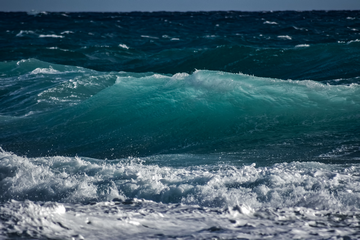
Force 4 to 5 with wind speeds of between 13 to 24 mph (20 to 38 km/h) can be too much wind for diving, as this can produce wave heights of up to 3 metres (10 foot). When you bear in mind that many diving operations will cancel dives with wave heights of 5 foot and over. So 10 foot waves are high!
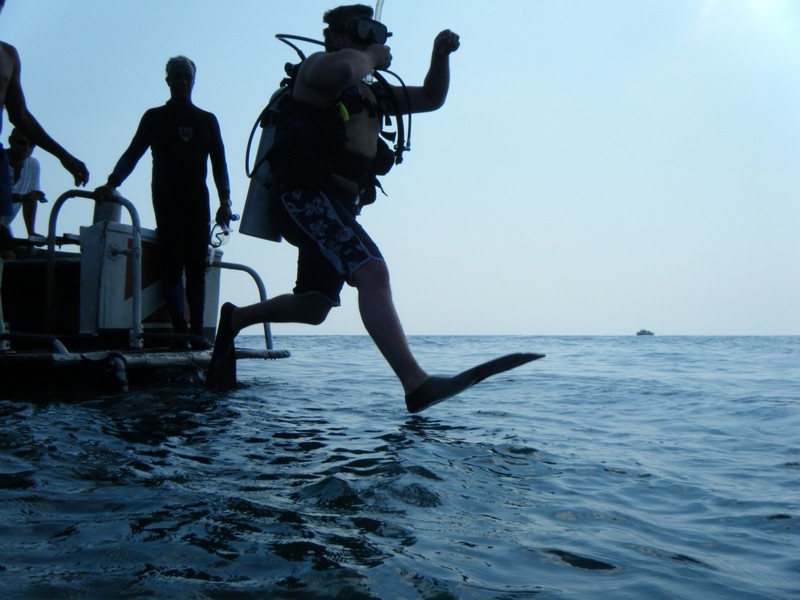
The 5 steps of diving are: Preparation which involves getting ready for the dive; entry which is entering the water in a safe and controlled manner; descent where a diver must begin descending to the desired depth; bottom time within no-decompression stop limits; ascent and exit after the dive.
The “rule of six” in diving is a guideline to help prevent decompression sickness, also known as “the bends.” It is a safety rule used to help divers plan their dives and avoid spending too much time at certain depths.
The “120 rule” in scuba diving is a safety guideline that recommends that divers should not stay at a depth beyond 120 feet (36 meters) for longer than a total of 120 minutes in a day to avoid decompression sickness.
The golden rule of scuba diving is to always remember to never hold your breath while ascending, because as you ascend to the surface, the pressure around you decreases and any air that you have in your lungs will expand, and could cause serious injury or even death due to lung over-expansion.
The 1 3 rule states that a diver should: Descend no more than 1/3 of their total air supply; reserve 1/3 of their total air supply for the ascent and ascend when they reach 1/3 of their total air supply.
After scuba diving with a bikini under a wetsuit you’re best to wear thin non-water absorbing board shorts or synthetic shorts like the Patagonia Micro Planning shorts. Combine this with a similar fabric t-shirt and you’re good to go. Even better is to wear a waterproof neoprene bikini or swimsuit that doesn’t get wet!
Scuba diving in a drysuit isn’t hard at all, in fact it’s extremely easy. It’s just different to diving in a wetsuit. The first time you put your drysuit on it might feel a bit strange, but after just a few dives it will become like second nature. Using a drysuit in colder waters is so much better than diving in a wetsuit. Before long you won’t even be thinking about it and you’ll be very pleased you made the switch.
How likely is a drysuit feet first ascent? The truth is that it is possible, it does happen and it could happen to you. But if you understand why feet first ascents happen in the first place, you can take steps to prevent it from happening at all. You don’t necessarily need to use drysuit ankle weights to avoid a feet first ascent in a drysuit, but some scuba divers prefer to use them to avoid a runaway ascent with floaty feet! If you want to learn how to correct a feet first ascent, this is explained further in this article.