Warning: Attempt to read property "base" on null in /home/scubadivingearth/old.scubadivingearth.com/wp-content/plugins/pdb-image-expansion/pdbiex/Media_Library.php on line 49
Learn to Scuba Dive | Page 7 of 15 | Scuba Diving Earth

Scuba Diving Earth

Scuba Diving Blog & Forum

Learn to Scuba Dive

What Helps With Anxiety Learning To Scuba Dive? (Are You Nervous?)

What helps with anxiety when learning scuba diving includes preventative measures like finding the right scuba instructor to begin with and finding easy shallow dives to build your experience and hone your skills. To avoid anxiety when you dive you should take things slowly and at your pace. But also, never be afraid to say no to the dive.
Can You Dive And Fly On The Same Day? (How Long To Wait To Be Safe)

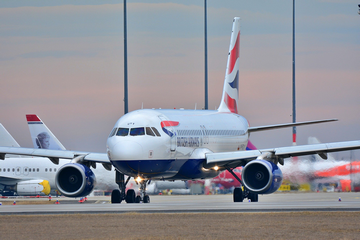
Whether you can you dive and fly on the same day boils down to the risk you are willing to take. It depends on which flying after diving guidelines you want to follow. Plus it depends on how many dives and the type of diving you’ve done. Your decision should also be based on decompression risk factors and how many of these affect you specifically. Certain organisations provide flying after diving guidelines that look at the maximum altitude you will be flying at and whether your dives involved decompression stops. DAN and PADI’s flying after diving guidelines begin with a surface interval of 12 hours to a maximum of 18 hours before you fly after diving. Whereas BSAC and the U.S. Air Force recommend a 24 hour pre-flight interval after surfacing from your last dive before flying.

How To Prevent Dry Mouth While Scuba Diving: 10 Cool Scuba Dry Mouth Tips

Whilst the cause of scuba dry mouth is down to breathing dry compressed air through your mouth, it can be prevented. Examples of how to prevent a dry mouth when scuba diving includes: Keeping well hydrated by drinking plenty of water; avoid drinking excessive amounts of caffeine and alcohol; Being aware of the diuretic effect of any medication you’re taking; swilling some water in your mouth when diving; or diving with a full face dive mask so you can breath through your nose. instead of your mouth.

Driving To Altitude After Diving (How Long To Wait Before Going To Altitude For Your Own Safety)

Going to altitude after diving may be a problem because at altitude atmospheric pressure drops in a similar way to when you fly. There are flying after diving guidelines to follow, which should also be followed when driving to altitude after diving. Depending on the organisation flying after diving guidelines you wish to follow. Plus depending on how many dives you’ve done and whether these involved decompression stops, the recommended surface interval can be anywhere between 12 hours to 24 hours before you drive to altitude after diving.

How Many Dives Do You Need For Advanced Open Water Diver (AOWD)?

The PADI Advanced Open Water Diver course consists of doing 5 (five) different adventure dives. Within these five adventure dives you are required to do the Deep Diver speciality course and the Underwater Navigator course. After that you can choose your three favourites from a number of other speciality dive courses. For each speciality dive, you are required to learn the theory behind the dive type before getting in the water. This course can be done over 2 or 3 days, where you can complete up to 3 dives on one day.

Maldives Liveaboard Diving For Beginners (Beginner Liveaboards & Suitable Dive Sites)

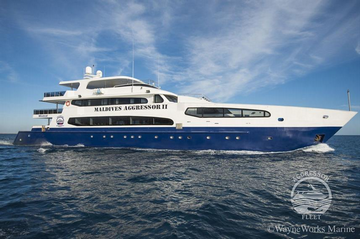
Whilst not all diving is suitable for beginners in the Maldives there are Maldives liveaboards that provide dive tours for beginners. There are many dive sites in the Maldives with strong currents, making them unsuitable for newly certified divers. But if you choose your liveaboard carefully like the Sheena liveaboard, the Blue Shark One or the Amba liveaboard, these dive boats offer special tours suitable for beginners. But you would be better to arrive in the Maldives having drift dive experience and training.

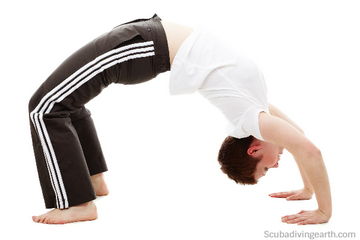
What Is Bent When You Are Suffering From Decompression Sickness?

Nothing is actually bent when you are suffering from decompression sickness. The term bent or the bends comes from the history behind decompression sickness. The reason for the term “The Bends” was used is because the afflicted individuals characteristically bent forward at the hips. The bends (decompression sickness (DCS) or Caisson disease) occurs in scuba divers. It occurs when gases dissolved in the body (mostly nitrogen) come out of solution in bubbles. Being ‘bent’ can affect just about any part of the body including the skin, your joints, the lungs, the heart and brain.

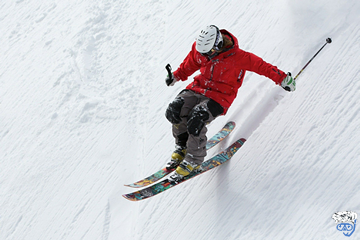
Is Skiing More Dangerous Than Scuba Diving (What Are The Risks Of Dying?)

Partly because more people ski than scuba dive, there are more skiing accidents happen over a given period. Some of these accidents are very minor and some involve broken bones. But to answer the question ‘is skiing more dangerous than scuba diving?’, it turns out that scuba diving is statistically more dangerous than skiing and snowboarding when it comes to fatalities.

Wetsuit Temperature Guide Scuba Diving (Celsius And Fahrenheit)

When you consider any guide to choice of wetsuit and water temperature, you must consider your own personal tolerance to the cold. In addition to how easily you feel the cold, also consider the topside conditions between dives on your dive interval. But also take account of the depth of your dive too.

Scroll to top