Warning: Attempt to read property "base" on null in /home/scubadivingearth/old.scubadivingearth.com/wp-content/plugins/pdb-image-expansion/pdbiex/Media_Library.php on line 49
Scuba Diving Tips & Safety | Page 12 of 19 | Scuba Diving Earth

Scuba Diving Earth

Scuba Diving Blog & Forum

Scuba Diving Tips & Safety

What Helps With Anxiety Scuba Diving? (8 Scuba Anxiety Relief Tips )

What helps with anxiety during scuba diving includes preventative measures like relaxing with breathing exercises. But it’s important that you first accept you have a problem. You can then use techniques such as visualisations or NLP, positive self-talk, subliminal messaging or meditation.
How To Return a Found Gopro (Lost And Found GoPro)

How to return a found Gopro, either through the lost and found GoPro on their website, or alternatively by finding it yourself. If you’ve lost your GoPro whilst scuba diving, you may be unlucky. But this depends on where you’re diving and whether it’s got a floating device to bring it to the surface.

Why Is Decompression Sickness Called The Bends? (2.8 In 10,000 Dives)

Decompression sickness, which his also known as ‘the bends‘, is so called because the afflicted individuals characteristically bent forward at the hips due to the joint pain it caused. Decompression sickness (DCS) or the bends is a potentially deadly condition. It’s caused by bubbles of nitrogen gas forming in the blood and tissues, which is usually as a result of a fast ascent from a dive or from missed decompression stops.

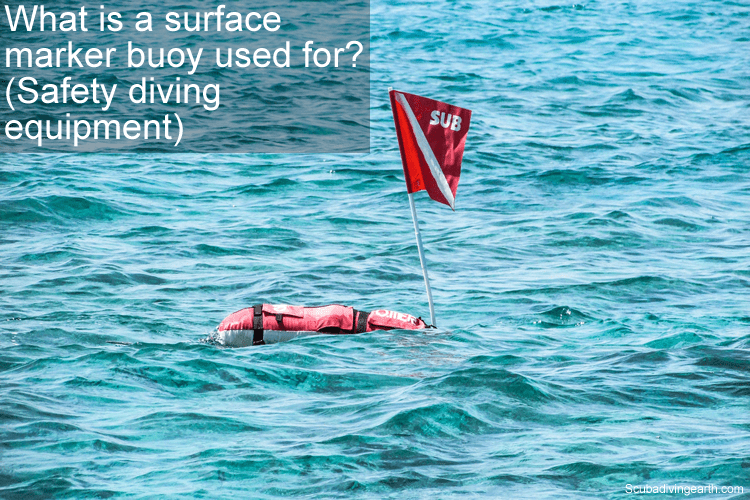
What Is a Surface Marker Buoy Used For? (Safety Diving Equipment)

When it comes to scuba diving safety, a surface marker buoy is an essential piece of scuba diving equipment. A surface marker buoy (SMB or a Blob) remains on the surface for the duration of the dive, which is connected by a nylon line to a reel the diver holds. The surface marker indicates the diver’s position to the dive boat skipper at the surface, whilst the diver is underwater. Surface marker buoys are particularly used for safety during drift diving.

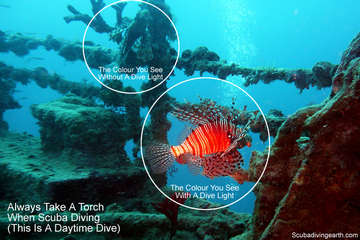
Why Use a Diving Torch Scuba Diving (It’s Not Just For Night Diving)

Underwater dive torches form an important part of your scuba diving equipment. A dive torch isn’t only for night diving or cage dives either. But rather it’s recommended to take an underwater torch on all dives. As you go deeper beneath the water’s surface the colours around you will disappear. Having a torch will help you to see the real colours and to illuminate your way in the dark.

What Is a Delayed Surface Marker Buoy? (Safety Diving Equipment)

A delayed surface marker buoy (DSMB), is similar to a surface marker buoy except that it’s deployed at the end of your dive vs used for the duration of the dive. A DSMB, which is also known as a decompression buoy or a deco buoy, are often used for safe diving ascents from depth on decompression stop dives. They are also used to indicate a diver’s position on ascent. This helps the dive boat skipper spot divers on the surface, especially in seas with a big swell.

Can An 8 Year Old Scuba Dive? (Scuba Diving Age Restrictions)

Kids getting scuba certified or in this case for 8 year old children to learn to scuba dive is partly down to the diving organisation. But is mostly down to the parent. The dive agencies that allow 8 year old children to learn scuba limit their depth until they are older. But the scuba diving skills these young children learn counts towards their full diver certification. This includes towards their Open Water Diver course with PADI.

What To Pack For a Liveaboard Dive Trip (Liveaboard Essentials)

What to pack for a liveaboard dive trip includes your essential travel documents like passport and flight ticket details. Travel money and your diving certification details are also essential, plus the correct exposure suit. You also need the appropriate swimsuit for under your wetsuit too. Remember your toiletries and comfortable clothes to wear in-between dives and in the evenings. Just in case, remember to buy some sea-sickness medication too, especially if you’ve never been on a liveaboard trip before.

How Many Dives Do You Need For A Liveaboard?

The number of dives you need for a liveaboard range from no minimum to 100 logged dives, which is impacted by the type of diving involved. If the type of diving is deeper diving or involves diving in currents, more experience is needed and more logged dives are required to book the liveaboard trip.

What Happens If You Don’t Decompress When Scuba Diving?

What happens if you don’t decompress when scuba diving is you could end up with decompression sickness or the bends. Most recreational diving limits scuba divers to diving depths of 40 metres (131 feet) and ‘No decompression stop diving’. This is to prevent your body from taking on so much nitrogen that it can’t off-gas enough during a direct ascent to the surface. Advanced divers dive beyond the no decompression stop dive limits. This means on their ascent from a dive they are required to stop to allow additional time to decompress. Each decompression stop allows time for gas to move out of the tissues and back to the lungs.

Can You Scuba Dive By Yourself? (Is Diving Alone Safe or Illegal?)

Whilst it’s possible to dive by yourself, it’s not recommended safe diving practice. It’s also not illegal to dive alone and there’s no ‘scuba police’ to stop you from diving by yourself. When you get your scuba certification, you’ll learn that one of the main scuba safety rules is to never dive alone. You will learn about the dangers of diving alone and that all diver training is taught on the buddy system.

What Should You Not Do After Scuba Diving (11 Must NOT Do’s After Diving)

What should you not do after scuba diving includes; top of the list is flying, followed by travelling to altitude, mountain climbing or trekking at altitude or drinking excessive alcohol. Other activities include strenuous exercise, taking a hot shower or jumping in a hot tub and having a deep tissue massage.

Scroll to top