Warning: Attempt to read property "base" on null in /home/scubadivingearth/old.scubadivingearth.com/wp-content/plugins/pdb-image-expansion/pdbiex/Media_Library.php on line 49
Scuba Diving Tips & Safety | Page 11 of 19 | Scuba Diving Earth

Scuba Diving Earth

Scuba Diving Blog & Forum

Scuba Diving Tips & Safety

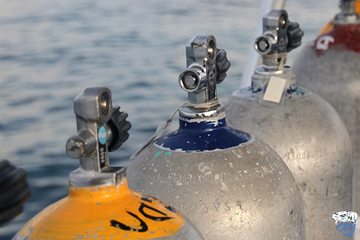
Why Are Scuba Tanks Filled In Water? (7 Key Questions Answered On Air Fills)

The reason why scuba tanks are filled in cold water is that a warm dive tank holds less air at a given pressure than a cool scuba tank does at the same pressure. This means that as the air inside the tank cools, the pressure of the air will decrease. Therefore by controlling the temperature of the dive tank during the filling process will increase the amount of air available when the tank is used on the next dive.
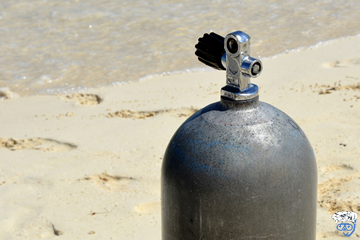
What Are Scuba Tanks Made Out Of (Steel VS Aluminium Scuba Tanks)

Scuba tanks are made out of two types of material. This is either aluminum, or actually aluminum alloy or steel. Each type has different properties, where for example steel cylinders are tougher than aluminium, making them resistant to damage. Whereas aluminum tanks are much lighter and less expensive than steel tanks.

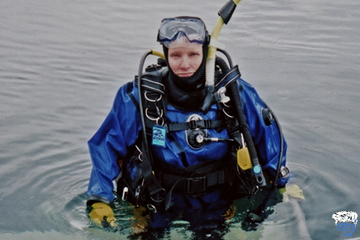
What Is The Difference Between A Wetsuit And A Drysuit?

The main difference between a wetsuit and a drysuit is that in a wet suit you get wet, whereas a drysuit keeps you dry. Other differences include; drysuits are designed to be used in colder waters and tend to be more expensive than wet suits. Plus a drysuit can also be used for buoyancy control instead of using your buoyant control device, whereas a wet suit can’t.

What Causes Dry Suit Squeeze? (How To Prevent Dry Suit Squeeze)

What causes dry suit squeeze is the result of increased pressure of water as you descend on a dive. The air pocket inside your dry suit is squeezed and as it is the material of your dry suit is pressed against your body. Dry suit squeeze is particularly uncomfortable around the valves and seems of your suit.

Fear Of Scuba Diving Phobia (Top 14 Fears That Stop People Scuba Diving)

Fear of scuba diving phobia is not a phobia in itself. However, there are phobias like aquaphobia and the fear of water, thalassophobia and the fear of the seas that prevent people from taking up the sport of scuba diving. But other phobias like claustrophobia (fear of confined spaces), bathophobia (fear of depths) and galeophobia (fear of sharks) also give people a reason to fear scuba diving.

Why Is Nitrogen Narcosis Called “The Martini Effect”?

The Martini Effect meaning is the slang term for nitrogen narcosis. Where the name the “Martini Effect” comes from the fact that some divers feel drunk when affected by nitrogen narcosis. Narcosis is affected by deeper diving, and the deeper the diver, the stronger the nitrogen narcosis will be. Scuba divers have said that for every 10 meters (33 feet) of depth, this will have the same effect as drinking one Martini.

Nitrogen Narcosis VS The Bends (Caused By Nitrogen With Different Effects)

The common denominator of nitrogen narcosis vs the bends is nitrogen. But what causes nitrogen narcosis vs decompression sickness (or the bends) is quite different. Nitrogen narcosis is caused by breathing air at pressure where the gas has an anesthetic effect on the brain of a diver. Whereas decompression sickness is caused by nitrogen coming out of solution and forming bubbles on a divers ascent from a dive.

Why Is Nitrogen Narcosis Called “Raptures Of The Deep?”

Nitrogen narcosis is called raptures of the deep from when famous scuba diver Jacques Cousteau first referred to it in this way. If you look at one of the meanings for rapture, it means: “A state or experience of being carried away by overwhelming emotion”. If you look at the symptoms of nitrogen narcosis, this could describe two feelings of nitrogen narcosis. These are euphoria and anxiety or terror!

How Does a Diver Feel When Narked? (Is It Euphoric, Terrors or Crazy?)

How does a diver feel when narked depends on the person, the depth of the dive and a number of other factors. But the feelings when narked can range from euphoria to depression , anxiety and terrors of the deep! These feelings only really come on from dive depths of 30 metres (98 feet) and deeper.

At What Depth Does Nitrogen Narcosis Occur? (Raptures Of The DEEP)

Scuba divers breath nitrogen under pressure. This produces an intoxicating effect which is known as nitrogen narcosis. If you’re wondering at what depth does nitrogen narcosis occur; the simple answer is that mild symptoms can occur at most depths. However, nitrogen narcosis really only becomes noticeable on scuba dives of around 30 metres (98 feet) and deeper.

What Causes Nitrogen Narcosis? (Is ‘Raptures Of The Deep’ Dangerous?)

Nitrogen narcosis generally occurs noticeably to divers at depths below 30 metres (98 feet) or deeper. Scuba diving involves the inhalation of compressed air at pressure underwater. It’s this breathing of the air under pressure that impacts how much of the nitrogen molecules are dissolved into the tissues and blood. This extra nitrogen finds its way to your brain, where too much nitrogen can affect the brain. This is because nitrogen is an anaesthetic at increased pressure.

Scroll to top