What Are The Disadvantages Of Nitrox Diving? (7 Disadvantages of Nitrox)
The disadvantages of Nitrox diving include depth limits due to higher concentrations of oxygen and the cost of tank fills and specialist gear required to dive with Nitrox.

Scuba Diving Blog & Forum
The disadvantages of Nitrox diving include depth limits due to higher concentrations of oxygen and the cost of tank fills and specialist gear required to dive with Nitrox.
How you deal with a down current is to swim at a 45° upward angle away from the wall whilst adding air to your BCD as you swim. If this doesn’t work grab a stationary object to stabilise yourself. Use other objects to crawl to the surface or wait until you’re ready for another attempt at a swim to the surface.
For Maldives liveaboard tipping budget for 10% of the cost of the dive trip. This will cost between $150 to $300 for a week depending on the liveaboard. How much you tip a Maldives liveaboard crew is your choice and is not expected. But it is customary if you’ve had great service both on the boat and underwater.
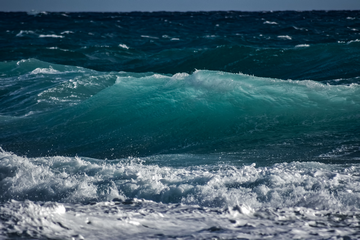
Force 4 to 5 with wind speeds of between 13 to 24 mph (20 to 38 km/h) can be too much wind for diving, as this can produce wave heights of up to 3 metres (10 foot). When you bear in mind that many diving operations will cancel dives with wave heights of 5 foot and over. So 10 foot waves are high!
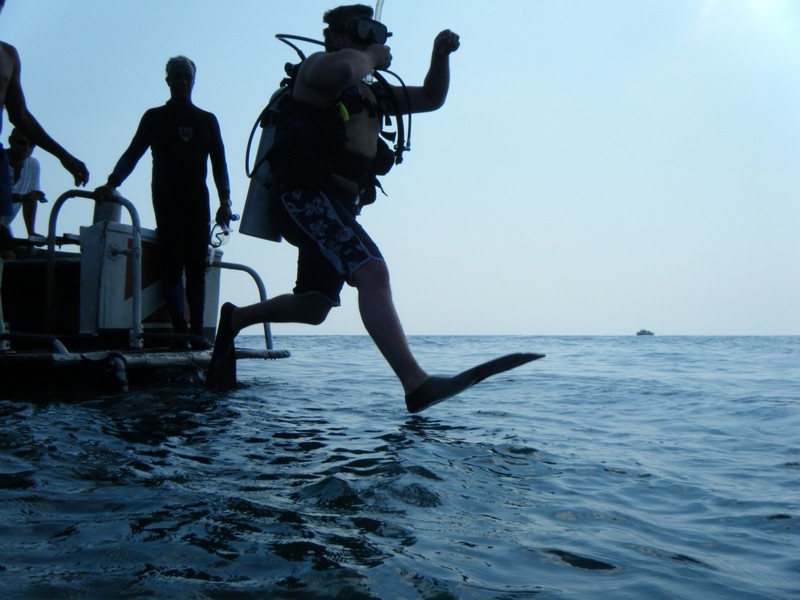
The 5 steps of diving are: Preparation which involves getting ready for the dive; entry which is entering the water in a safe and controlled manner; descent where a diver must begin descending to the desired depth; bottom time within no-decompression stop limits; ascent and exit after the dive.
The “rule of six” in diving is a guideline to help prevent decompression sickness, also known as “the bends.” It is a safety rule used to help divers plan their dives and avoid spending too much time at certain depths.
It’s not advisable to scuba dive with a broken bone. Also, before you go diving after breaking any bone, consult with your doctor first. You may have to wait at least 4-6 months after the facture and until the break has healed satisfactorily before you are able to consider your next dive.
The “120 rule” in scuba diving is a safety guideline that recommends that divers should not stay at a depth beyond 120 feet (36 meters) for longer than a total of 120 minutes in a day to avoid decompression sickness.
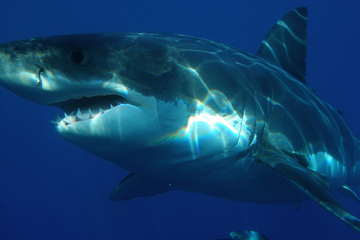
There are no great white sharks in the Maldives as great whites prefer cooler waters. The waters around the Maldives are 28-30°C (82-86°F) and great white sharks prefer coastal and offshore waters with water temperatures between 12-24°C (54-75 °F) instead. Instead of white sharks you’ll see 26 other shark types.
The golden rule of scuba diving is to always remember to never hold your breath while ascending, because as you ascend to the surface, the pressure around you decreases and any air that you have in your lungs will expand, and could cause serious injury or even death due to lung over-expansion.
The 1 3 rule states that a diver should: Descend no more than 1/3 of their total air supply; reserve 1/3 of their total air supply for the ascent and ascend when they reach 1/3 of their total air supply.
The depth a person can dive without a wetsuit depends on various factors, such as water temperature, individual physical fitness, and diving experience. In general, cold water reduces a person’s ability to dive deeper, as the body loses heat faster, and can lead to hypothermia.