
Warning: Attempt to read property "base" on null in /home/scubadivingearth/old.scubadivingearth.com/wp-content/plugins/pdb-image-expansion/pdbiex/Media_Library.php on line 49
Scuba Diving Tips & Safety | Page 8 of 19 | Scuba Diving Earth

Scuba Diving Earth

Scuba Diving Blog & Forum

Scuba Diving Tips & Safety

What Are The Best Hairstyles For Scuba Diving 101: Hair Extensions; Long Hair And Facial Hair + How To Keep Your Hair Away From Your Face

How you keep your hair out of your face when scuba diving can either be achieved by choosing a hairstyle like braids, plaits or a pony tail to keep it under control. Or alternatively you can use something to keep it in check. This includes a long hairband or hair ties, a swimming hat, a neoprene diving hood or a headband buff. If you have hair extensions, this poses a similar problem and you can use these same solutions, but also there’s a hair glove that acts as a sleeve that covers the hair extension. For men with facial hair and a moustache, you need to think about avoiding a leaking mask and use silicone grease to avoid this.
How To Easily Fix A Leaking Exhaust Valve On A Drysuit (3 Easy Options)

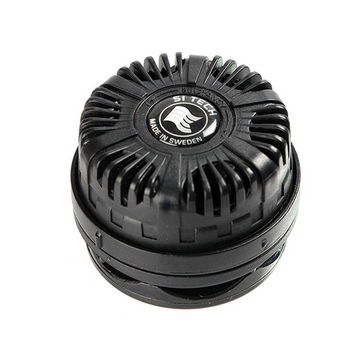
You can sometimes easily fix a leaking drysuit exhaust valve by clicking the valve down by a couple of clicks. If this doesn’t work and the valve still leaks on your next dive, try taking it apart to flush it out with water in case there are any foreign objects like sand that are preventing the seal from closing.

What Is Drysuit Diving Like: Is Drysuit Diving Hard Or Easy?

Scuba diving in a drysuit isn’t hard at all, in fact it’s extremely easy. It’s just different to diving in a wetsuit. The first time you put your drysuit on it might feel a bit strange, but after just a few dives it will become like second nature. Using a drysuit in colder waters is so much better than diving in a wetsuit. Before long you won’t even be thinking about it and you’ll be very pleased you made the switch.

How To Avoid A Drysuit Feet First Ascent: Are Ankle Weights Necessary

How likely is a drysuit feet first ascent? The truth is that it is possible, it does happen and it could happen to you. But if you understand why feet first ascents happen in the first place, you can take steps to prevent it from happening at all. You don’t necessarily need to use drysuit ankle weights to avoid a feet first ascent in a drysuit, but some scuba divers prefer to use them to avoid a runaway ascent with floaty feet! If you want to learn how to correct a feet first ascent, this is explained further in this article.

What Helps With Anxiety Learning To Scuba Dive? (Are You Nervous?)

What helps with anxiety when learning scuba diving includes preventative measures like finding the right scuba instructor to begin with and finding easy shallow dives to build your experience and hone your skills. To avoid anxiety when you dive you should take things slowly and at your pace. But also, never be afraid to say no to the dive.

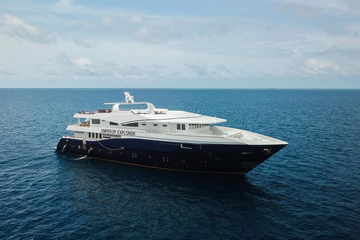
What To Expect On Your First Liveaboard Trip (Top tips to follow)

Each day you spend on a liveaboard dive boat usually consists of diving, eating and relaxing. Most mornings you’ll go for a dive before you have your breakfast. After this first dive of the day you’ll eat your breakfast, before relaxing whilst you’re on your dive interval. This first dive interval is followed by a second dive, which is followed by your second dive interval, during which you’ll have lunch and spend more time relaxing. Then, and depending on the liveaboard, you’ll do a further two dives, which in some places will include a night dive.

Can You Dive And Fly On The Same Day? (How Long To Wait To Be Safe)

Whether you can you dive and fly on the same day boils down to the risk you are willing to take. It depends on which flying after diving guidelines you want to follow. Plus it depends on how many dives and the type of diving you’ve done. Your decision should also be based on decompression risk factors and how many of these affect you specifically. Certain organisations provide flying after diving guidelines that look at the maximum altitude you will be flying at and whether your dives involved decompression stops. DAN and PADI’s flying after diving guidelines begin with a surface interval of 12 hours to a maximum of 18 hours before you fly after diving. Whereas BSAC and the U.S. Air Force recommend a 24 hour pre-flight interval after surfacing from your last dive before flying.

How To Prevent Dry Mouth While Scuba Diving: 10 Cool Scuba Dry Mouth Tips

Whilst the cause of scuba dry mouth is down to breathing dry compressed air through your mouth, it can be prevented. Examples of how to prevent a dry mouth when scuba diving includes: Keeping well hydrated by drinking plenty of water; avoid drinking excessive amounts of caffeine and alcohol; Being aware of the diuretic effect of any medication you’re taking; swilling some water in your mouth when diving; or diving with a full face dive mask so you can breath through your nose. instead of your mouth.

Driving To Altitude After Diving (How Long To Wait Before Going To Altitude For Your Own Safety)

Going to altitude after diving may be a problem because at altitude atmospheric pressure drops in a similar way to when you fly. There are flying after diving guidelines to follow, which should also be followed when driving to altitude after diving. Depending on the organisation flying after diving guidelines you wish to follow. Plus depending on how many dives you’ve done and whether these involved decompression stops, the recommended surface interval can be anywhere between 12 hours to 24 hours before you drive to altitude after diving.

Scroll to top