Warning: Attempt to read property "base" on null in /home/scubadivingearth/old.scubadivingearth.com/wp-content/plugins/pdb-image-expansion/pdbiex/Media_Library.php on line 49
Scuba Diving Tips & Safety | Page 9 of 19 | Scuba Diving Earth

Scuba Diving Earth

Scuba Diving Blog & Forum

Scuba Diving Tips & Safety

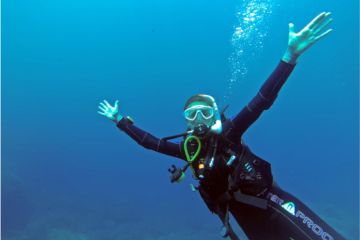
Is Scuba Diving Safe In The Maldives?

The fact that some of the best dives in the Maldives have strong currents where conditions can be challenging. Also some of the good dives can be deep dives and many involve diving with potentially dangerous underwater creatures. But also some dives involve diving at night on liveaboards. Despite all this these things, so long as you have the appropriate training and experience for the type of dives you intend to do in the Maldives, plus so long as you follow safe diving practices it’s totally safe to dive in the Maldives.

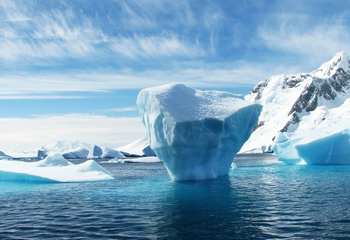
Can You Scuba Dive In Antarctica? (Ice Diving Trips To The Southern Oceans)

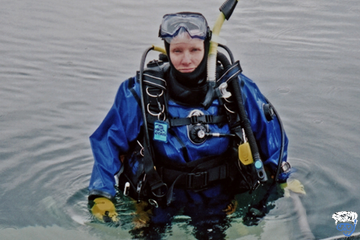
Scuba diving Antarctica is about the pristine clear waters and about enjoying one of the richest bio-diverse ecosystems on the planet. But whilst the answer is yes you can scuba dive Antarctica, it’s not for beginners. To dive Antarctica you will need prior experience of cold-water diving and of diving using a dry suit. Plus I recommend a minimum of 30 dives including those in cold water.

What Scuba Diving Equipment Is Needed For Antarctica?

The scuba diving equipment you need for Antarctica includes the following: Drysuit and hood; Thick drysuit under garment; Dry gloves or thick wet-gloves; 2 separate freeze protected regulators; Pressure gauge; Buoyancy control device; Depth gauge, dive watch or dive computer; A compass; Diver’s knife; Dive torch; Mask, fins and snorkel; Plus your own weight belt but not the weights.

How Many Dives Do You Need For Advanced Open Water Diver (AOWD)?

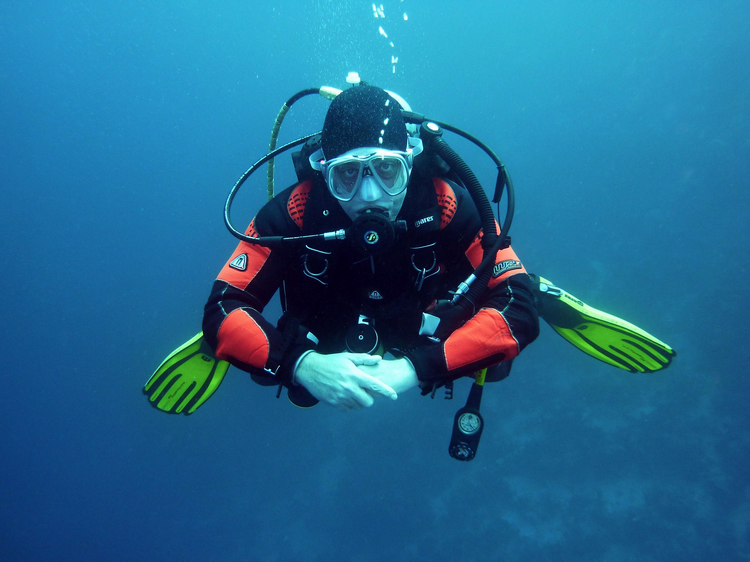
The PADI Advanced Open Water Diver course consists of doing 5 (five) different adventure dives. Within these five adventure dives you are required to do the Deep Diver speciality course and the Underwater Navigator course. After that you can choose your three favourites from a number of other speciality dive courses. For each speciality dive, you are required to learn the theory behind the dive type before getting in the water. This course can be done over 2 or 3 days, where you can complete up to 3 dives on one day.

What Is Bent When You Are Suffering From Decompression Sickness?

Nothing is actually bent when you are suffering from decompression sickness. The term bent or the bends comes from the history behind decompression sickness. The reason for the term “The Bends” was used is because the afflicted individuals characteristically bent forward at the hips. The bends (decompression sickness (DCS) or Caisson disease) occurs in scuba divers. It occurs when gases dissolved in the body (mostly nitrogen) come out of solution in bubbles. Being ‘bent’ can affect just about any part of the body including the skin, your joints, the lungs, the heart and brain.

Wetsuit Temperature Guide Scuba Diving (Celsius And Fahrenheit)

When you consider any guide to choice of wetsuit and water temperature, you must consider your own personal tolerance to the cold. In addition to how easily you feel the cold, also consider the topside conditions between dives on your dive interval. But also take account of the depth of your dive too.

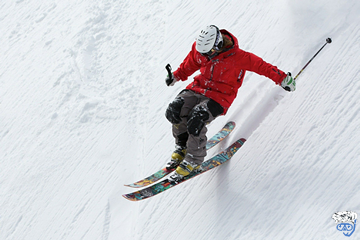
Is Skiing More Dangerous Than Scuba Diving (What Are The Risks Of Dying?)

Partly because more people ski than scuba dive, there are more skiing accidents happen over a given period. Some of these accidents are very minor and some involve broken bones. But to answer the question ‘is skiing more dangerous than scuba diving?’, it turns out that scuba diving is statistically more dangerous than skiing and snowboarding when it comes to fatalities.

Scroll to top