Dangerous Fish In Sharm El Sheikh
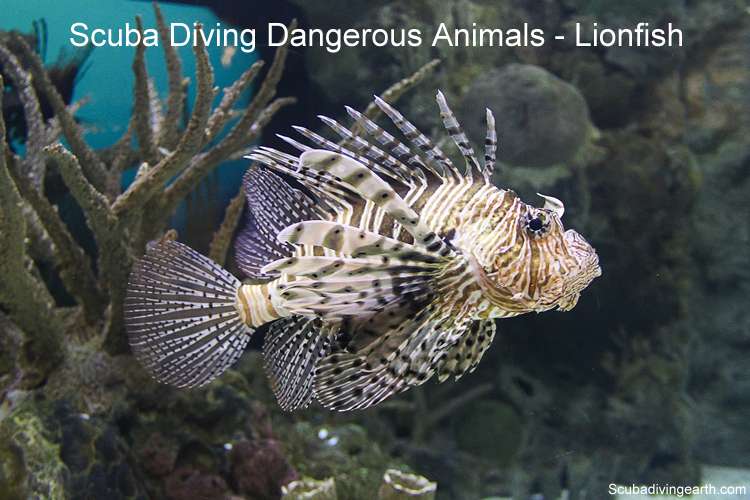
Dangerous fish in Sharm El Sheikh include lion fish, stonefish, barracuda and moray eels. But the most dangerous fish you should not eat is the Red Sea pufferfish.

Scuba Diving Blog & Forum
Dangerous fish in Sharm El Sheikh include lion fish, stonefish, barracuda and moray eels. But the most dangerous fish you should not eat is the Red Sea pufferfish.
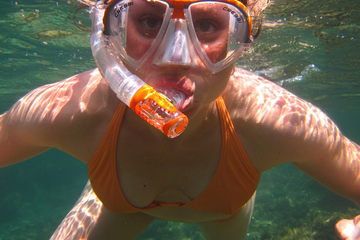
There are three types of snorkel: These include the wet snorkel. With this snorkel, water can easily enter the top of the snorkel tube if submerged underwater either accidentally at the surface or when diving down. The Semi-Dry snorkel has a splash guard to help prevent water entering accidentally at the surface. But the tube on this type of snorkel will still fill with water when you dive down; Then there’s the dry snorkel. The Dry Snorkel is designed with a float valve. It is this valve that prevents water from entering either accidentally at the surface or when you dive down. Also, it is the seal of your lips around the mouthpiece on all these snorkel types that keeps the water out when snorkeling.
Whether or not it’s better to snorkel at high tide or low tide is debatable. There are pros vs cons for both. At high tide the water visibility tends to be better, but the water may be too deep to see the bottom. But at low tide the visibility may be worse, but the water is shallower and shallow pools are uncovered This makes it easier to look for sea creatures on the bottom. However, there will be an opportunity to see different sea creatures at high tide vs low tide, as each tidal range is suitable for different fish and other creatures.
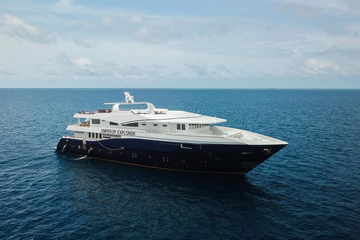
Each day you spend on a liveaboard dive boat usually consists of diving, eating and relaxing. Most mornings you’ll go for a dive before you have your breakfast. After this first dive of the day you’ll eat your breakfast, before relaxing whilst you’re on your dive interval. This first dive interval is followed by a second dive, which is followed by your second dive interval, during which you’ll have lunch and spend more time relaxing. Then, and depending on the liveaboard, you’ll do a further two dives, which in some places will include a night dive.
Whether you can you dive and fly on the same day boils down to the risk you are willing to take. It depends on which flying after diving guidelines you want to follow. Plus it depends on how many dives and the type of diving you’ve done. Your decision should also be based on decompression risk factors and how many of these affect you specifically. Certain organisations provide flying after diving guidelines that look at the maximum altitude you will be flying at and whether your dives involved decompression stops. DAN and PADI’s flying after diving guidelines begin with a surface interval of 12 hours to a maximum of 18 hours before you fly after diving. Whereas BSAC and the U.S. Air Force recommend a 24 hour pre-flight interval after surfacing from your last dive before flying.
Whilst the cause of scuba dry mouth is down to breathing dry compressed air through your mouth, it can be prevented. Examples of how to prevent a dry mouth when scuba diving includes: Keeping well hydrated by drinking plenty of water; avoid drinking excessive amounts of caffeine and alcohol; Being aware of the diuretic effect of any medication you’re taking; swilling some water in your mouth when diving; or diving with a full face dive mask so you can breath through your nose. instead of your mouth.
Going to altitude after diving may be a problem because at altitude atmospheric pressure drops in a similar way to when you fly. There are flying after diving guidelines to follow, which should also be followed when driving to altitude after diving. Depending on the organisation flying after diving guidelines you wish to follow. Plus depending on how many dives you’ve done and whether these involved decompression stops, the recommended surface interval can be anywhere between 12 hours to 24 hours before you drive to altitude after diving.
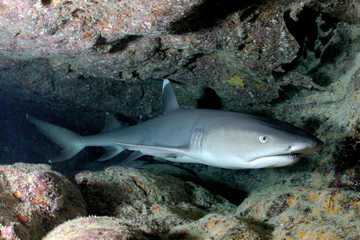
The Great Barrier Reef is home to around 134 sharks and rays, which represents 27% of all living sharks species. There are around 512 extant (or living) species of sharks and rays in our oceans.
The Forgotten Islands, which are also known as the Southeast Moluccas (Maluku Tenggara), are a part of Indonesia. These islands are made up of a 1,000 kilometre (625 mile) long chain of archipelagos which stretch from Flores or Timor across to West Papua on the island of New Guinea. The best and only way to dive the Forgotten Islands is by liveaboard dive boat, which will take you to this very remote and isolated chain of islands. The best time to scuba dive the Forgotten Islands is in the dry season, which is from June until November. See below for the best liveaboards for dive trips to the Forgotten Islands.
This 48 metre (157 feet) Indonesia liveaboard accommodates up to 16 scuba divers across 8 cabins. The Indonesia Coralia liveaboard was custom-built for scuba divers and has luxury cabins with en-suite bathrooms and air conditioning and some have balconies. Western and local style food served buffet style, with an air-conditioned saloon and bar. The scuba diving includes itineraries of 9 days 8 night to 12 days 11 nights offering some of the best diving in Indonesia. You’ll have the chance to see many types of shark, manta rays, Mobular rays, turtles, whales, dugongs and much much more.
Bonaire and Curacao are fantastic destinations for diving in crystal-clear waters, beautiful coral reefs, and abundant marine life. Bonaire is famous for its shore diving and easy accessibility to its reefs, where as Curacao has vibrant coral reefs, dramatic walls, and an abundance of marine life.
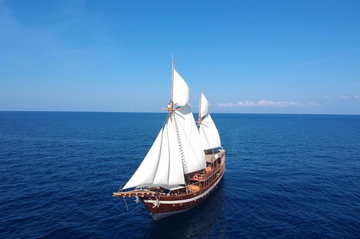
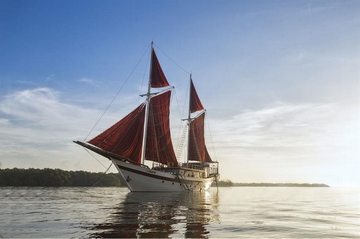
This 36.5 metre (120 feet) Indonesia liveaboard accommodates up to 14 scuba divers across 6 cabins. The Indonesia Tiare Cruise liveaboard was custom-built for scuba divers and has luxury cabins with en-suite bathrooms and air conditioning. Western and local style food served buffet style and fine cuisine, with an air-conditioned saloon. The scuba diving includes itineraries of 6 days 5 night to 12 days 11 nights offering some of the best diving in Indonesia. You’ll have the chance to see many types of shark, manta rays, Mobular rays, turtles, whales, dugongs and much much more.