Warning: Attempt to read property "base" on null in /home/scubadivingearth/old.scubadivingearth.com/wp-content/plugins/pdb-image-expansion/pdbiex/Media_Library.php on line 49
Scuba Diving Earth | Page 44 of 50 | Scuba Diving Blog & Forum

Scuba Diving Earth

Scuba Diving Blog & Forum

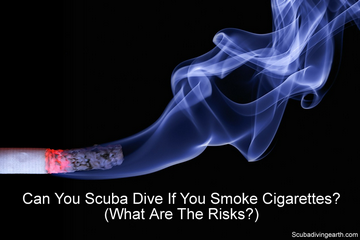
Can You Scuba Dive If You Smoke Cigarettes (What Are The Risks?)

Your question ‘can you scuba dive if you smoke cigarettes,’ I would argue no you shouldn’t. But if you choose to mix scuba diving and smoking, then you ought to be aware of the added risks of being a ‘scuba diver that smokes.’ If you’re finding it hard to quit smoking. Is your urge to experience ‘being underwater and breathing’ outweighing your need for nicotine, but you’re still struggling to make that step. Or if you’re thinking about curbing your habit down or switching to vaping and scuba diving, please read on.
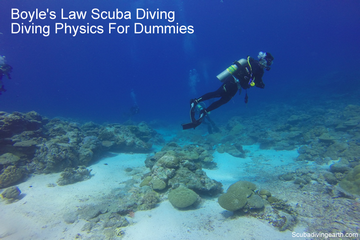
Boyle’s Law Scuba Diving (Diving Physics For Dummies)

Boyle’s Law scuba diving in simple terms means the volume of gases in a diver’s body cavities and flexible spaces in their diving equipment decrease in size as they descend and water pressure increases. But in reverse these same air spaces increase in size as the scuba diver returns to the surface.

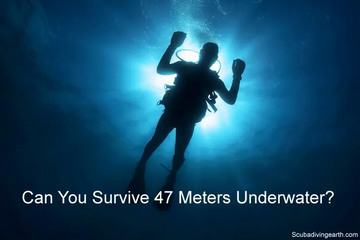
Can You Survive 47 Meters Underwater? (How Deep Is 47 Metres In Feet = 154 Feet)

Can you survive 47 metres underwater?’ The simple answer is yes. But there’s a catch. The catch is you must have the necessary training and experience as a scuba diver to dive to 47 metres (154 feet) deep.

Is It Dangerous To Scuba Dive? (10 Of The Biggest Dangers Divers Face)

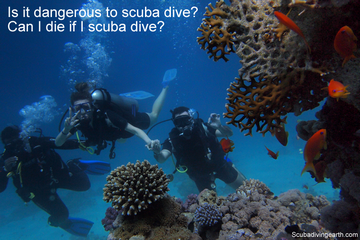
Is it dangerous to scuba dive‘ is a question asked by many looking to try scuba diving out. The answer to this question is yes, but only if you don’t get properly trained and then by not follow the training you receive. The biggest dangers divers face and number one reason why scuba divers die is because they run out of air. This is due to carelessness on behalf of the diver and in most cases can be avoided.

14 Decompression Sickness Risk Factors In Scuba Diving and How to Avoid Them

14 decompression sickness risk factors in scuba diving include: Number and depth of previous dives, age, fitness, exertion, obesity, smoking and other drugs, alcohol consumption, fatigue, dehydration, injuries or birth defects, flying too soon being female and the menstrual cycle. When planning your next scuba dive, be aware of your own personal circumstances before simply relying on decompression tables or your dive computer.

Socorro Island Manta Rays (Socorro Island Liveaboard Diving and How to Get There)

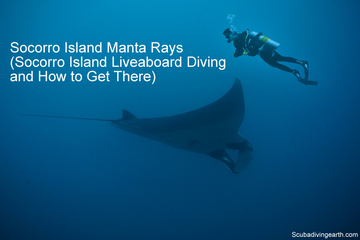
Socorro Island’s giant pacific manta rays can grow to have wingspans up to 7 metres (23f). Scuba diving with Socorro Island mantas can only be achieved by Socorro Island liveaboard as the islands are 390 kilometres (240m) off the main land, making it a 24 hour boat ride from Cabo San Lucas.

Is Swimming Required For Snorkelling: Don’t Snorkel Before Reading This

If you’re asking the question ‘Is swimming required for snorkelling?‘ Whilst the answer is potentially a ‘NO,’ in my opinion the answer should be an emphatic ‘YES,’ you should be able to swim before you go snorkelling. I say this for safety reasons, if you are a non-swimmer, you should learn to swim before you go into the water. I’m not talking about being a strong swimmer (you’re not going to be entering into the Olympics). Basic swimming competency is all that’s necessary.

Scuba Diving With Disabilities (Can You Scuba Dive If You’re Disabled?)

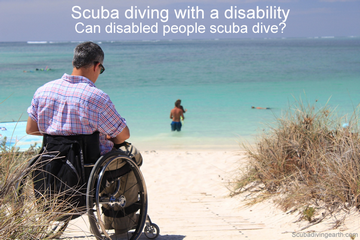
Scuba diving with a disability has been transformed by Sue Austin with the world’s first self-propelled underwater wheelchair. Whilst there may be additional considerations for diving for the disabled, this doesn’t mean scuba diving can’t be done. Because it can – see video below. There are organisations and charities to help. The main diving organisations have courses to learn how to dive with people with disabilities too.

The Best Liveaboard Diving For Beginners (10 Top Liveaboard Destinations)

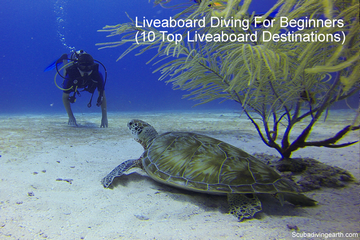
The top 10 liveaboard diving for beginners includes: The Great Barrier Reef, The Bahamas, Belize, Cuba, The Maldives, Thailand, Malaysia, Egypt and the Red Sea, Fiji and Mexico. All have shallow clear blue warm waters, which are ideal for beginner scuba divers.

The Magnificent Blue Whale Size (Blue Whale Facts)

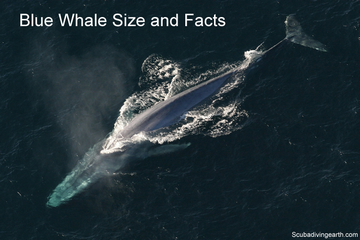
The blue whale size is 30 metres (100 feet) in length. They can weigh as much as 200 tons and have a heart that can pump between 200-300 litres (44-65 gallons) of blood with every beat. The largest animal that’s ever lived on planet earth can live for over 100 years and has a tongue which weighs as much as a female African elephant.

10 Top Safety Tips For Scuba Diving (Making Scuba Safe)

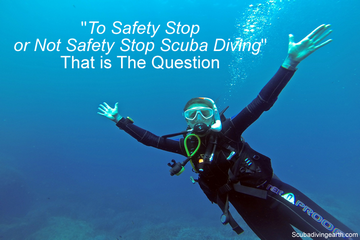
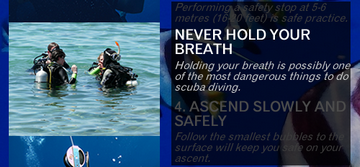
The top 10 safety tips for scuba diving include: 1. Never hold your breath. 2. Never dive alone. 3. Ascend slowly from every dive. 4. Perform a safety stop at 5-6 metres (16-20 feet) on every dive. 5. Plan your dive and dive the plan. 6. Know your limits and dive within your limitations. 7. Check your air contents gauge regularly. 8. Always dive with an alternative air source or octopus. 9. Always perform the ABC buddy check before your dive. 10. Only dive if you’re fit to dive.

Scroll to top